Oracle’s Debt Challenges Threaten AI Data Center Project for OpenAI
July 21, 2026
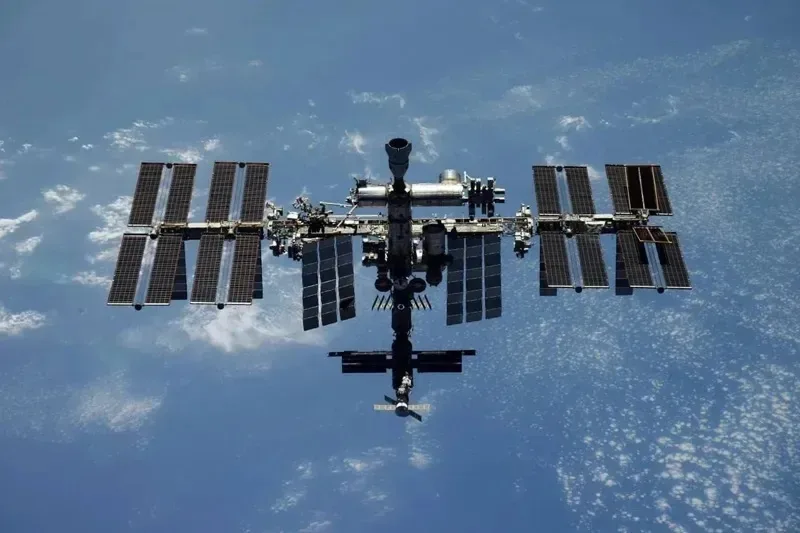
NASA and the Russian space agency Roscosmos have agreed to extend the operational lifespan of the International Space Station’s (ISS) oldest module, the Functional Cargo Block (FGB) known as Zarya, through 2032. This decision ensures the continued use of a key component that has been integral to the ISS since its early days in orbit.
The announcement came from Denis Deniskin, the general director of the Khrunichev State Research and Production Space Center, during an interview given to Russian news agency RIA Novosti in the context of Space Week 2026. Deniskin also confirmed that the service module Zvezda, which provides crucial life support and living quarters for the station’s crew, will have its operational time extended as well.
Zarya was launched in 1998 as the first module of the ISS, providing initial propulsion, guidance, and storage capabilities needed to kickstart the assembly and operation of the station in space. Despite its age, the module continues to serve important functions and remains a critical structural and operational element.
Extending the life of the Zarya and Zvezda modules aligns with ongoing efforts by both NASA and Roscosmos to maintain and operate the ISS efficiently. With newer modules added over the years, the Russian and American space agencies are taking measures to maximize the ISS’s operational period and support a wide range of scientific research and international collaboration.
By prolonging the service duration of these foundational components, the agencies are signaling their commitment to sustaining the ISS as a vital platform for human spaceflight and experimentation in low Earth orbit, at least until the early 2030s.
While specific technical details and future maintenance plans were not disclosed, the extension reflects confidence in the engineering resilience of these modules and the ability of mission teams to monitor and manage aging space hardware effectively.
This collaborative agreement comes at a time when discussions are ongoing about the future architecture of space stations, including the potential for commercial and international partnerships to take a more prominent role in orbiting facilities beyond the ISS era.
The continued operation of the Zarya and Zvezda modules provides both symbolic and functional continuity for the ISS, underscoring the station’s longevity as a landmark project in human space exploration.
NASA and Roscosmos will keep the ISS’s oldest Functional Cargo Block module operational through 2032, along with extending the Zvezda module’s service life.