App Store Sees Surge in New Apps Amid Growth of No-Code Platforms in Early 2026
July 21, 2026
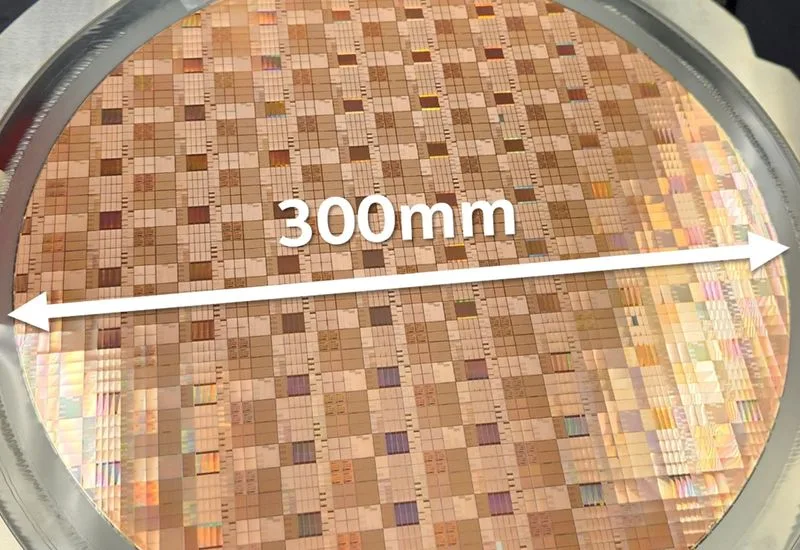
Intel has reached a new milestone in semiconductor manufacturing by producing some of the thinnest chiplets in the world utilizing gallium nitride (GaN). This advancement allows these chiplets, which carry power semiconductor functionalities, to be seamlessly integrated with traditional silicon chips, potentially transforming the way computing components are designed and assembled.
Gallium nitride has long been valued in the production of power electronics due to its superior efficiency and high-frequency performance compared to silicon. Nevertheless, until now, integrating GaN-based power functions with computing components still relied heavily on conventional silicon-based chips. Intel’s breakthrough in fabricating ultra-thin GaN chiplets offers a promising solution by enabling direct integration onto silicon substrates.
This innovative approach significantly reduces the footprint on semiconductor devices, enhancing the compactness and efficiency of future electronic systems. The ability to place GaN chiplets directly onto silicon chips eliminates the need for separate, bulky components and paves the way for more streamlined and space-saving architectures in various applications.
The possible benefits of this technology extend beyond size reduction. Combining the distinct material properties of gallium nitride with the well-established silicon platform could lead to better overall device performance, including increased power efficiency and potentially faster operational speeds. This method reflects a broader industry trend toward heterogeneous integration—melding different semiconductor materials in a single package to optimize performance and functionality.
While Intel has not disclosed detailed production parameters or commercial rollout plans, the development of these ultra-thin GaN chiplets marks a significant step toward more integrated and efficient semiconductor solutions. It may influence a range of markets, from consumer electronics to high-performance computing and power management systems.
As semiconductor manufacturers continue to push the limits of miniaturization and integration, Intel’s advancement highlights how combining different semiconductor technologies can catalyze new possibilities in chip design and performance.
Intel has advanced chip technology by creating ultra-thin gallium nitride chiplets that can be integrated directly onto silicon chips.