Memory Chip Makers Face Potential DRAM Oversupply by 2028 Amid Massive Capacity Expansions
July 20, 2026
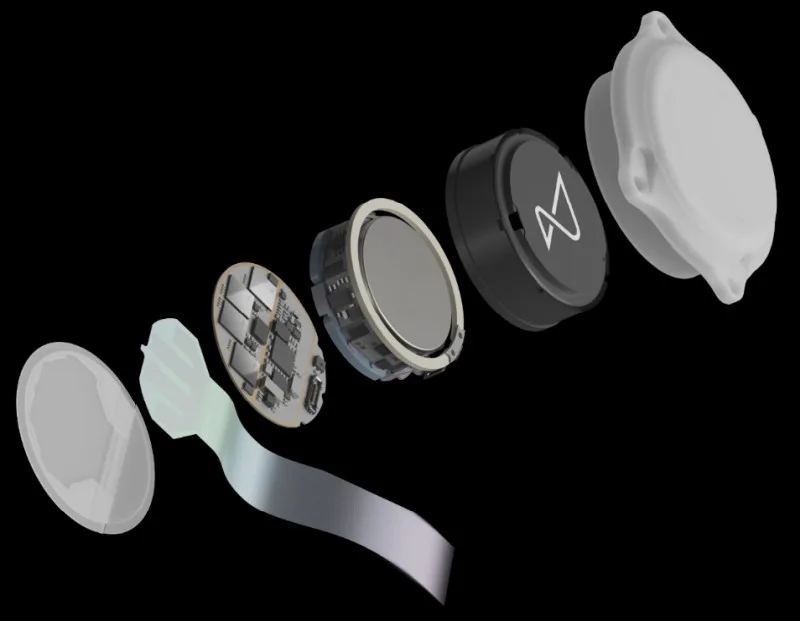
Science Corporation, a company established in 2021 by Max Hodak, the former president and co-founder of Neuralink, has entered the clinical testing phase of its biogybrid brain-computer interface (BCI). This marks a significant step toward integrating advanced neural implants directly with the human brain.
The main objective behind this technology is to establish reliable and seamless communication pathways between computers and the human brain. This interface aims not only to provide therapeutic solutions for neurological diseases but also to potentially enhance human abilities by introducing entirely new sensory inputs.
Unlike traditional neural implants, the biogybrid approach pursued by Science Corporation integrates biological components with electronic systems, aiming to improve compatibility and reduce immune responses. This hybrid design could pave the way for longer-lasting, more effective neural interfaces with increased functionality.
Max Hodak’s experience at Neuralink, a leading company in the neural engineering space, is a pivotal asset in bringing this technology to clinical trials. The initiation of human studies represents a critical phase for evaluating the safety, efficacy, and practical applications of the biogybrid implant.
Potential applications extend beyond medical rehabilitation and disease treatment to include enhancements in human sensory perception. This could transform how individuals interact with their environment and technology, opening avenues for augmented reality experiences, improved communication methods, and new forms of sensory input that do not currently exist.
While specific details about the clinical trials—such as participant criteria, exact implant specifications, trial locations, and timelines—have not been publicly disclosed, the move to human testing underscores the company’s commitment to advancing neural interfacing technology.
The broader context of brain-computer interface research has seen a surge in interest due to its potential to revolutionize healthcare, accessibility, and even human cognition. Science Corporation’s biogybrid implant could contribute meaningfully to this evolving landscape by offering a new paradigm in how biological and machine components can work together within the brain.
As clinical trials progress, further information will be essential to understand the implant’s capabilities, longevity, and impact on users’ quality of life. The success of this technology could signal a transformative leap forward in neurotechnology, shaping the future of human-computer interaction.
Science Corporation, founded by ex-Neuralink president Max Hodak, begins clinical trials of a biogybrid brain-computer interface for therapeutic and sensory applications.