Oracle’s Debt Challenges Threaten AI Data Center Project for OpenAI
July 21, 2026
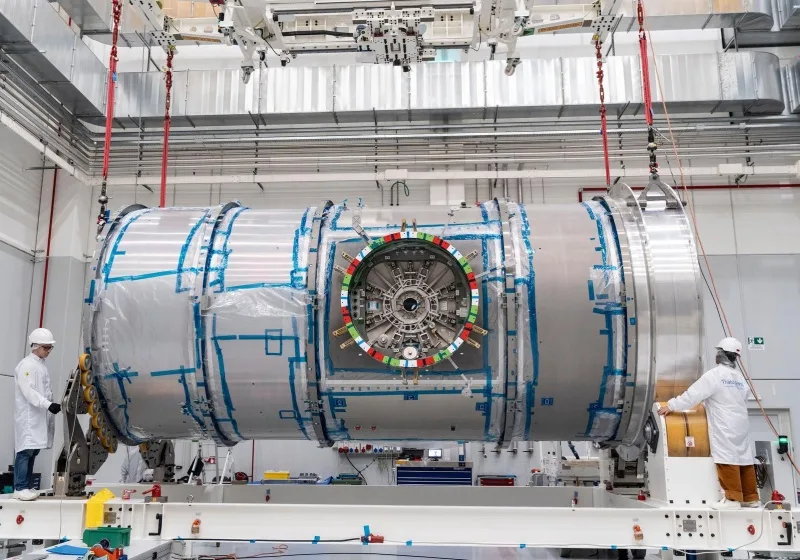
NASA’s ambitious plan to build the Lunar Gateway, a space station orbiting the Moon, has suffered a significant hurdle as crucial modules intended for the station have been found to be compromised by rust. The damage was identified while the modules were still on Earth, raising concerns about the viability of the project moving forward.
For over a decade, the Lunar Gateway concept served as a cornerstone of NASA’s strategy for deep space exploration. The station was designed to act as a staging point for lunar missions, enable scientific research, and test life-support technologies essential for prolonged space travel. However, recent developments indicate that the project has been either cancelled or postponed indefinitely, with NASA redirecting its focus towards establishing a permanent lunar base on the Moon’s surface.
The revelation that several Gateway modules have succumbed to corrosion while still on Earth highlights unexpected logistical and maintenance challenges faced by NASA. Typically, aerospace components are fabricated using materials and processes meant to resist environmental degradation during manufacturing and storage. The appearance of rust in critical hardware suggests lapses in these protocols or exposure to damaging conditions before launch.
This rust damage not only compromises the structural integrity of the hardware but also jeopardizes the timeline and budget of the Lunar Gateway program. Replacing or refurbishing affected modules is likely to delay the project further and escalate costs. Such setbacks come at a time when NASA is reassessing its priorities in lunar exploration.
While the Lunar Gateway was envisioned as a collaborative platform with international partners to facilitate scientific inquiry and enable crewed lunar expeditions, shifting strategic priorities have moved NASA’s focus toward building an autonomous human base on the Moon’s surface. This pivot potentially reduces the immediate need for an orbital staging station like Gateway.
Despite the setbacks, NASA continues to progress with its broader Artemis program goals, including lunar landings and long-duration habitation tests. The rust-affected modules serve as a reminder of the complexities involved in space hardware development and the importance of stringent quality assurance, especially for missions venturing beyond Earth orbit.
Details regarding the extent of the damage, potential remediation plans, or revised timelines for the Lunar Gateway project have not been publicly disclosed. The discovery nevertheless underscores the challenges of sustained extraterrestrial infrastructure development and raises questions about future hardware preservation and storage practices.
As NASA evaluates the path forward for lunar exploration, the fate of the Lunar Gateway hardware remains uncertain. The program’s recent difficulties with module degradation on Earth add to an already evolving landscape in space exploration priorities for the coming decade.
NASA’s Lunar Gateway project encounters delays as production modules suffered rust damage prior to launch, contributing to project’s indefinite postponement.