Popular PC Components in Russia Highlight Nvidia RTX 50 Series and 1TB NVMe SSDs
July 21, 2026
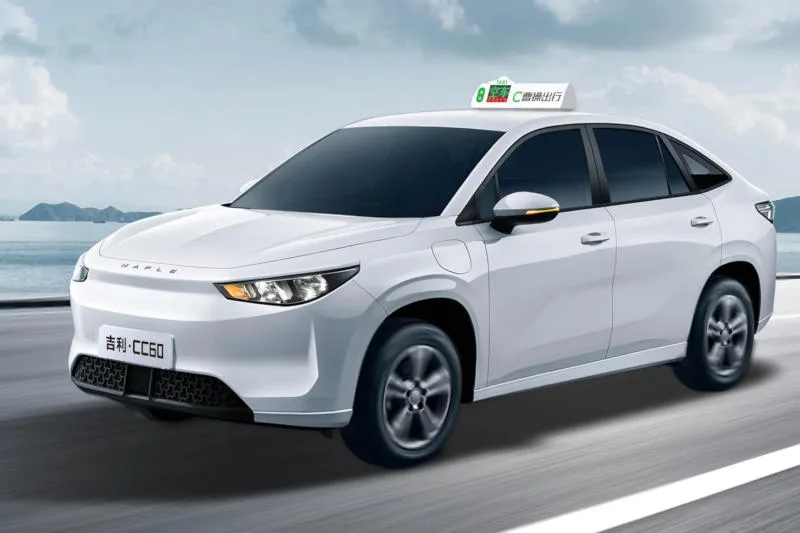
Chinese automotive conglomerate Geely, through its subsidiary Caocao, is set to undertake a significant expansion of its autonomous vehicle efforts. The company has announced plans to roll out several thousand units of its fully driverless robotaxi, the Eva Cab, over the course of the next year. This ambitious deployment positions Caocao as a notable player in the growing market for passenger transportation without human drivers.
Caocao’s Eva Cab is specifically designed to function as a robotaxi, carrying passengers in an entirely autonomous mode. The initiative reflects the company’s commitment to advancing technology that supports urban mobility and smart transportation solutions. By targeting large-scale production and deployment, Caocao aims to establish broad operational coverage and compete directly with other companies pushing into the robotaxi sector.
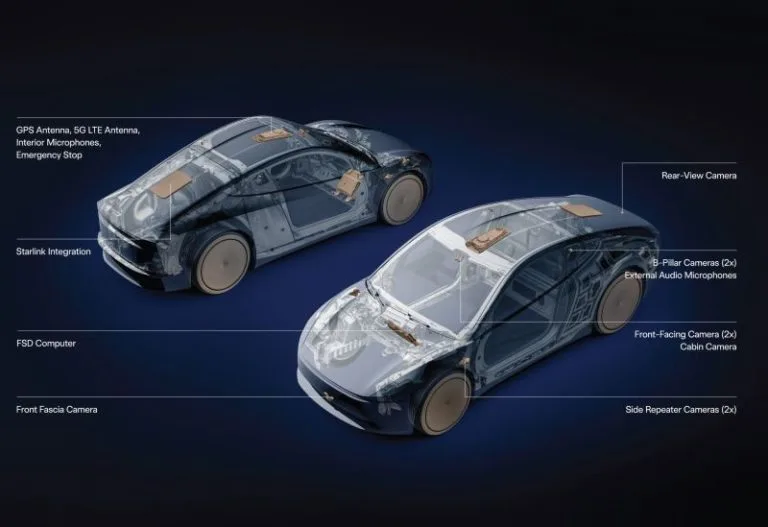
Among the competitors in this field, Tesla’s Cybercab has attracted attention as a prominent upcoming autonomous taxi option. Caocao’s Eva Cab will enter the market alongside such offerings, seeking to capture a share through its technological capabilities and extensive rollout plans. While detailed technical specifications and pricing information for the Eva Cab have not been disclosed at this time, the scale of the planned launch indicates a major step forward for Geely’s autonomous vehicle ambitions.
The move also underlines increasing investments by automotive manufacturers in driverless vehicle solutions, driven by advancements in AI, sensors, and electric powertrains. Services leveraging these innovations are expected to transform urban transportation dynamics, offering new alternatives for daily commutes and reducing reliance on traditional human-driven taxis.
As regulatory frameworks gradually adapt to accommodate autonomous vehicles, large deployments such as Caocao’s Eva Cab project will be critical for demonstrating the operational viability, safety, and convenience of robotaxi services. Geely’s parent company status provides considerable industrial and technological support, potentially accelerating the Eva Cab’s introduction into real-world environments.
The next year is shaping up to be pivotal for the autonomous vehicle market in China and worldwide, as new players bring their offerings to public roads in increasing numbers. Caocao’s plans to launch thousands of Eva Cabs reflect a broader trend toward commercializing self-driving technology on a wide scale, which could have lasting impacts on the future of transportation.
Geely’s Caocao aims to introduce thousands of driverless Eva Cab robotaxis next year, entering direct competition with Tesla’s Cybercab.