Oracle’s Debt Challenges Threaten AI Data Center Project for OpenAI
July 21, 2026
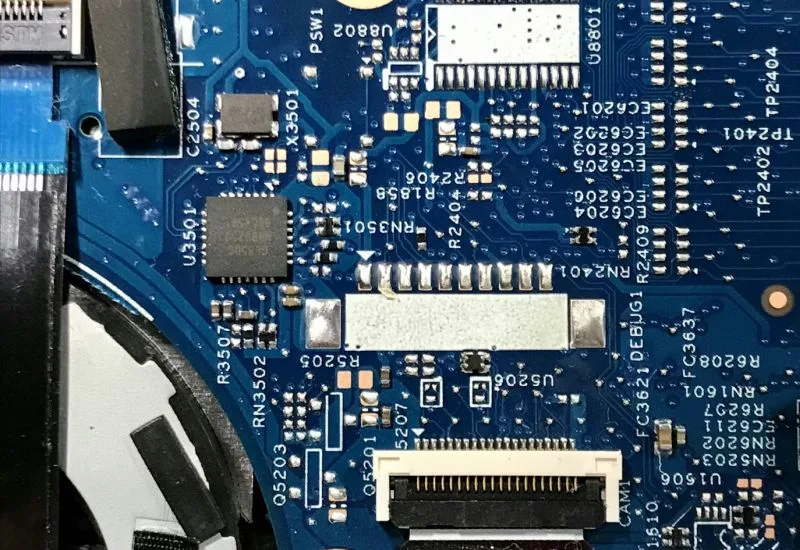
The ongoing conflict in the Middle East has introduced new challenges for the global electronics manufacturing sector, particularly impacting the supply of raw materials used in producing printed circuit boards (PCBs). While the rapid growth of artificial intelligence systems has drawn considerable attention as a driving force behind component shortages, the disruption of regional petrochemical industries due to military actions is another significant factor contributing to the scarcity.
Printed circuit boards, which form the backbone of nearly all modern electronic devices, depend heavily on specialized raw materials derived from petrochemical processes. The Middle East is a key supplier of petrochemical feedstocks, and the current instability has constrained access to these essential inputs. This disruption has exacerbated existing supply chain difficulties already strained by increased demand for electronics.
Manufacturers worldwide rely on a steady supply of high-purity chemicals and substrates to fabricate PCBs, and interruptions in these supplies can cause delays across various technology sectors. The shortage of raw materials extends beyond just circuit boards, potentially affecting multiple components integral to the production of computers, smartphones, and other electronic equipment.
The ripple effects of such shortages are likely to increase lead times and may drive up production costs, which could translate into slower product launches and higher prices for end consumers. Companies dependent on PCBs for cutting-edge technologies, including AI hardware, may find their operations particularly impacted as demand for these products continues to accelerate.
Although supply chain resilience has improved in recent years, the convergence of geopolitical conflicts and surging technological demand illustrates the vulnerabilities that remain in global manufacturing networks. Industry observers continue to monitor the situation closely, seeking alternative sources and materials to mitigate the effects of ongoing disruptions.
Details on specific raw materials affected and the full extent of supply shortages have not been disclosed, but the broader implications underscore how geopolitical instability can influence technological innovation and production in unexpected ways.
Geopolitical tensions in the Middle East have disrupted petrochemical supplies, affecting the availability of raw materials essential for printed circuit board manufacturing.