
Popular PC Components in Russia Highlight Nvidia RTX 50 Series and 1TB NVMe SSDs
July 21, 2026
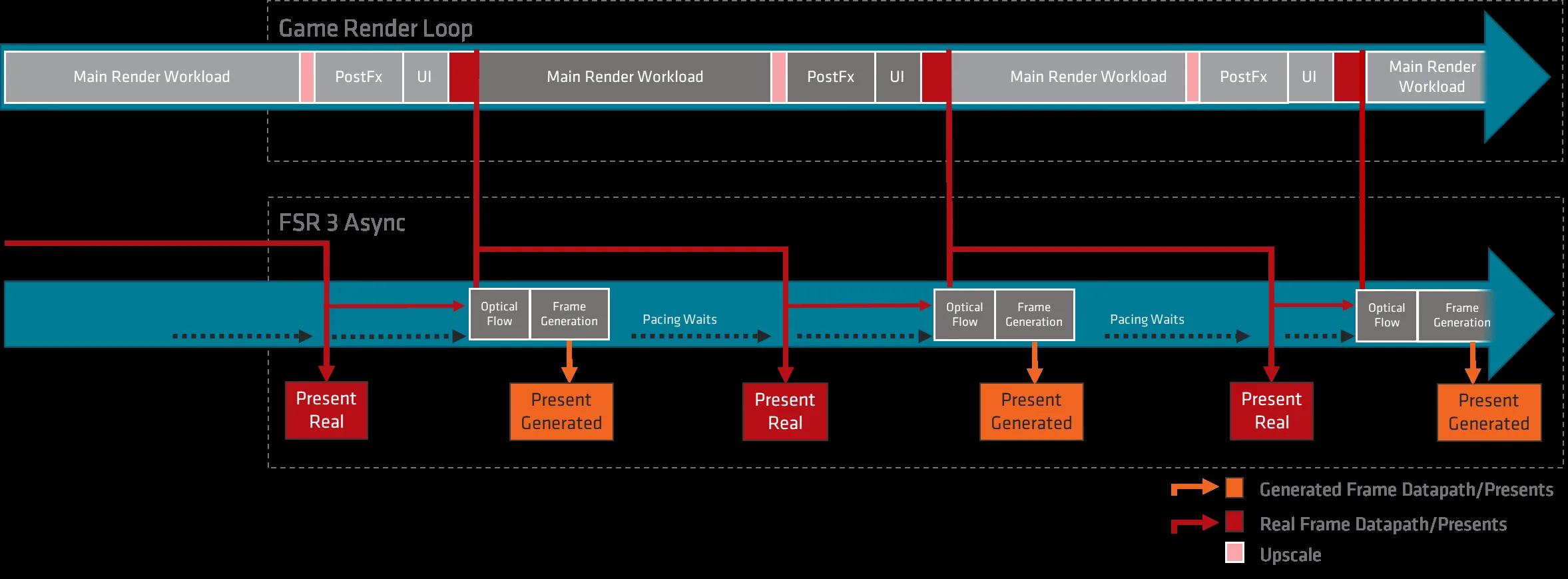
Recent investigations into the impact of frame generation techniques on input latency have shed new light on the relationship between high frame rates and game responsiveness. While technologies such as NVIDIA’s Deep Learning Super Sampling (DLSS) and AMD’s FidelityFX Super Resolution (FSR) are celebrated for significantly boosting frames per second (FPS), actual in-game responsiveness may not improve accordingly.
Many gamers and even some industry observers have misunderstood the implications of skyrocketing FPS numbers produced by frame generation technologies. On the surface, higher FPS typically implies smoother visuals and more responsive gameplay; however, this research clarifies that the situation is more nuanced when advanced AI or algorithmic frame creation is involved.
Frame generation works by synthesizing additional frames that fill in the gaps between traditionally rendered frames, effectively increasing the displayed frame count. This approach enables GPUs to output frame rates that surpass native rendering capabilities. Despite these apparent benefits, the synthesis process can introduce additional computational steps and buffering, which subsequently add to the total input-to-display delay. In other words, even though more frames are being shown, each individual frame may arrive later relative to the player’s input command.
The practical outcome is that games employing DLSS or FSR frame generation can show impressive FPS figures on performance graphs, but the actual latency—the delay between issuing a command and seeing its effect on screen—may be noticeably longer compared to conventional rendering methods. This increased lag can detract from the overall gameplay experience, especially in fast-paced or competitive gaming scenarios where timing and precision are critical.
These findings challenge the simplistic assumption that higher FPS numbers always equal better game responsiveness. Instead, they underscore the importance of considering latency metrics, alongside FPS, when evaluating gaming performance improvements brought by frame generation technologies.
Advancements in AI and graphics processing continue to push the boundaries of what GPUs can deliver, but this research highlights the ongoing complexity of balancing visual performance enhancements with the demands of real-time input responsiveness. Gamers and developers may need to weigh these latency trade-offs carefully when adopting or deploying frame generation features in their hardware and software setups.
Testing reveals that AI-driven frame generation methods like DLSS and FSR can significantly increase input latency despite boosting frame rates.