App Store Sees Surge in New Apps Amid Growth of No-Code Platforms in Early 2026
July 21, 2026
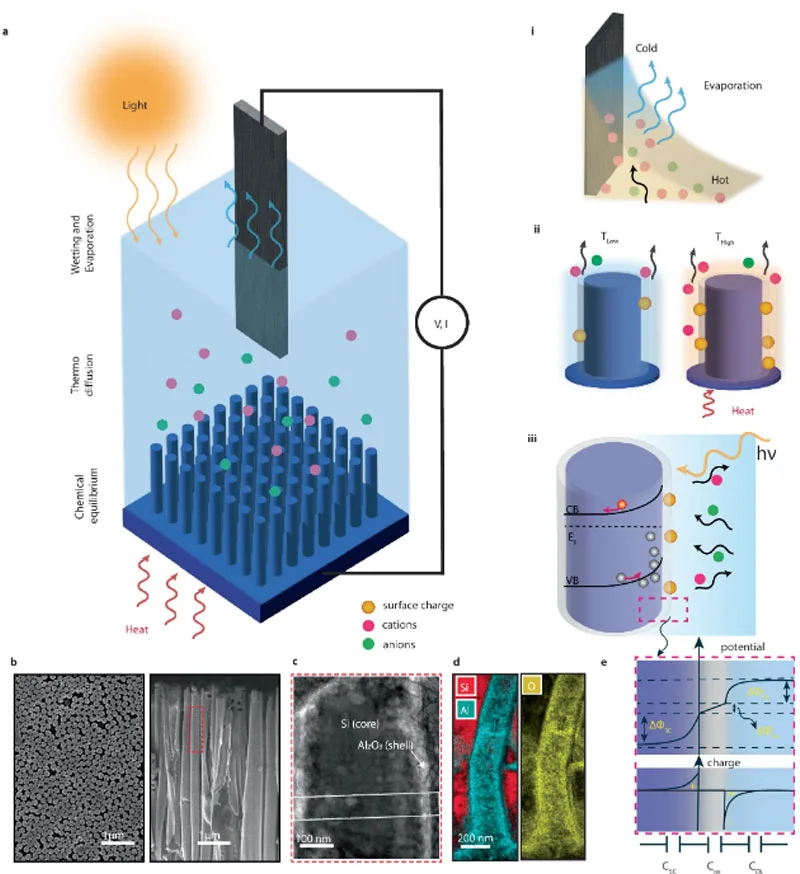
A team of researchers at the École Polytechnique Fédérale de Lausanne (EPFL) in Switzerland has introduced a novel type of battery technology that can effectively recharge itself using natural environmental conditions, specifically rain and sunlight. These unique batteries generate electricity continuously by harnessing the evaporation of water, potentially offering a durable energy source for remote sensors and small electronic devices.
The key innovation lies in the battery’s ability to exploit the simple yet powerful process of water evaporation to produce a steady electrical current. When rain moistens the battery, it activates the system, allowing it to generate electricity. Subsequent evaporation, encouraged by warmth and sunlight, sustains and accelerates the chemical reactions inside the battery, enabling prolonged power output without the need for traditional recharging methods.
This evaporation-driven mechanism provides a renewable way to ensure that devices reliant on energy stored in these batteries remain operational even in isolated or outdoor environments such as fields or forests. The presence of warmth and solar exposure not only helps maintain the flow of electricity but also significantly boosts the battery’s efficiency by accelerating the underlying electrochemical processes.
Given their self-rejuvenating nature, these batteries could become a critical asset for distributed sensor networks or low-power electronics deployed across agriculture, environmental monitoring, or other sectors where conventional power supply options are limited or impractical. Their design promises reduced maintenance demands and enhanced sustainability by minimizing battery waste and the need for frequent replacements.
While further development and testing are necessary to assess long-term reliability and scalability, this breakthrough points toward a future in which energy harvesting from ambient environmental factors plays a central role in powering electronic devices. The EPFL team’s work underscores how combining natural phenomena with innovative materials science can lead to environmentally friendly energy technologies with practical applications.
Details about commercial availability, pricing, or specific technical specifications were not disclosed. Nonetheless, this advancement highlights ongoing global efforts to develop smarter, greener energy solutions tailored to the evolving needs of modern electronics.
Scientists at EPFL created batteries that continuously generate electricity through water evaporation, rejuvenated by rain and sunlight.