Honor Launches X7e Smartphone in Russia Featuring 7200mAh Battery and AI Shortcut Button
July 21, 2026
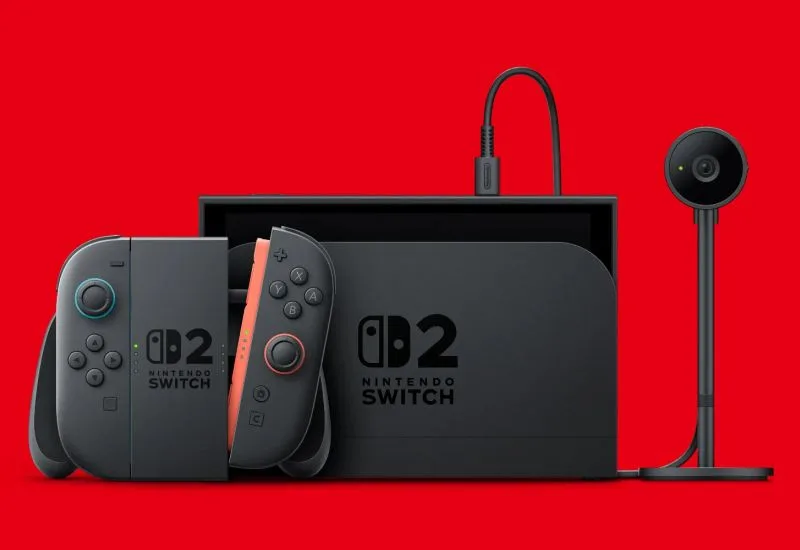
Nintendo, the renowned video game console manufacturer, is currently experiencing a significant drop in investor confidence, with its shares tumbling by 45% since August. This decline has been largely attributed to persistent shortages in memory chips, which have disrupted the company’s usual approach to console pricing and profitability.
Historically, gaming console makers, including Nintendo, have often sold their hardware at or near cost, occasionally incurring losses on device sales to drive adoption and software revenue. However, the recent surge in prices for memory components has forced these companies to reconsider their strategies. The increasing cost of memory chips has compelled manufacturers to raise console prices, impacting consumer demand and profit margins.
For Nintendo, these pressures are further compounded by additional hurdles. The introduction of the Switch 2 faced an early setback due to customs tariffs imposed by the United States, which increased the expense of bringing the new device to market. This combination of elevated parts costs and trade barriers has shaken investor confidence in Nintendo’s ability to maintain financial stability in this challenging environment.
The memory chip shortage is part of a broader global supply chain disruption affecting the tech industry, with semiconductor scarcity influencing a range of products from smartphones to gaming consoles. For Nintendo, which relies heavily on these components to produce its hardware, the scarcity directly affects production capacity and pricing strategies.
As investors scrutinize the potential impact of these constraints on Nintendo’s revenue and profitability, the significant drop in stock value reflects growing uncertainty about the company’s near-term financial performance. While specific responses from Nintendo were not detailed, the broader industry trend indicates a need to navigate higher input costs and supply challenges carefully.
Going forward, Nintendo’s ability to adapt to evolving supply dynamics and pricing pressures will be crucial in restoring market confidence. The situation underscores the broader vulnerability of hardware manufacturers in managing semiconductor shortages and trade-related costs amid a competitive and cost-sensitive consumer market.
Nintendo’s stock declines 45% as memory chip shortages and US tariffs challenge its Switch 2 console sales prospects.