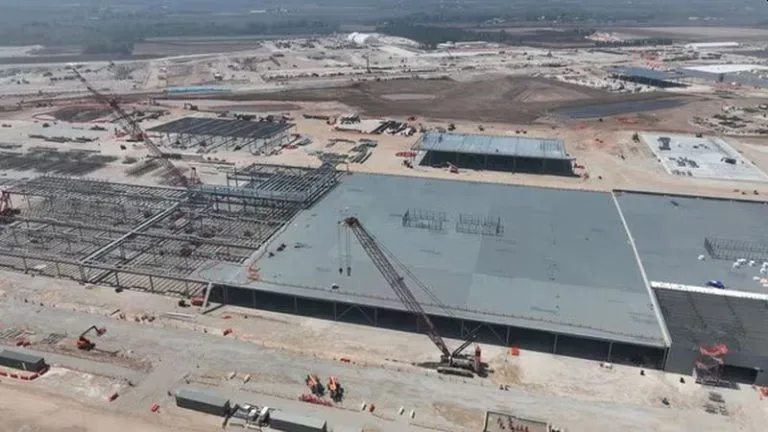
Oracle’s Debt Challenges Threaten AI Data Center Project for OpenAI
July 21, 2026

Apple has initiated testing for the production of iPhone chips using Intel’s manufacturing facilities, marking a significant move in its broader strategy to diversify chip supply sources. This development highlights the company’s effort to reduce its dependence on Taiwan Semiconductor Manufacturing Company (TSMC), which has been its primary chipmaker for years.
Reports emerging earlier in May indicated that Apple was actively exploring new partnerships for semiconductor fabrication beyond TSMC. Intel and Samsung surfaced as the main contenders under consideration to handle some of Apple’s chip production. The objective is to mitigate risks associated with heavy reliance on a single supplier and improve resilience within Apple’s supply chain, especially amid increasing geopolitical tensions and supply constraints in the semiconductor industry.
These measures are seen as part of a larger trend within tech companies aiming to enhance supply chain security by diversifying manufacturing locations and partners. Utilizing Intel’s foundry capabilities could provide Apple with an alternative route for chip fabrication that aligns with its production timelines and quality standards.
The news gained additional credibility when respected analyst Ming-Chi Kuo confirmed Apple’s testing activities involving Intel facilities. Kuo has a history of accurate insights concerning Apple’s supply chain moves and product plans, further reinforcing the significance of this development.
It remains unclear which specific chip models are subject to Intel’s production tests or the volume of chips planned to be sourced from these new manufacturing partners. Additionally, Apple has not publicly disclosed any formal agreements or detailed plans related to this diversification effort.
Samsung, meanwhile, has also been noted as a prospective manufacturing partner, though details on the progress of such collaborations have not been revealed. Both Intel and Samsung represent potential alternatives that could help Apple scale its chip production capabilities in line with future iPhone and device releases.
Apple’s initiative to broaden its chip production base comes at a time when semiconductor supply chains are under intense scrutiny globally. The growing demand for advanced processors, combined with geopolitical uncertainties, has made companies like Apple prioritize supply chain agility and reduced concentration risk.
While TSMC continues to be a dominant player in chip manufacturing for Apple, integrating Intel’s foundry expertise could offer enhanced technological options and production flexibility. This move may significantly impact the landscape of smartphone chip manufacturing and potentially influence other technology firms to seek similar diversification strategies.
Further updates are expected as Apple and its prospective partners announce concrete steps or formalize their collaboration in the coming months. Industry observers will be closely monitoring these developments given the critical role that chip supply plays in the technology sector’s innovation and product delivery cycles.
Apple is testing iPhone chip production at Intel facilities as part of a strategy to reduce reliance on TSMC, confirms analyst Ming-Chi Kuo.