Memory Chip Makers Face Potential DRAM Oversupply by 2028 Amid Massive Capacity Expansions
July 20, 2026
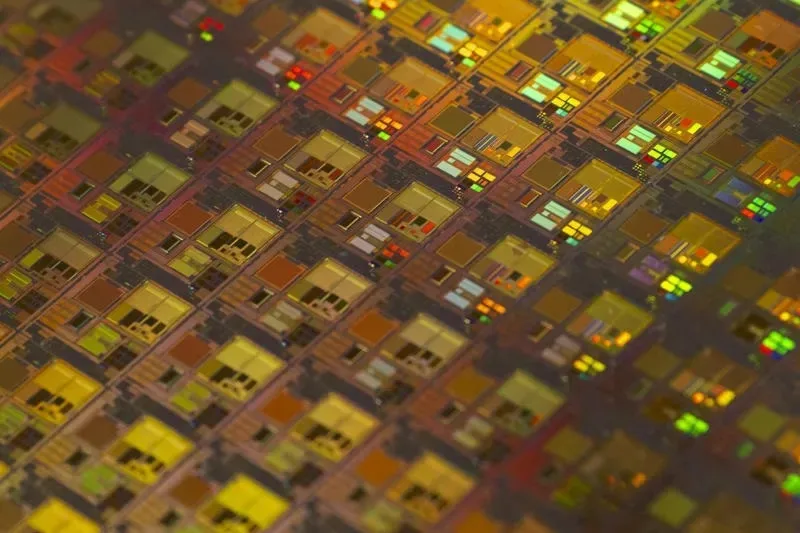
China’s major technology corporations are intensifying their transition to domestic AI accelerators this year, marking a significant push to embrace locally developed semiconductor solutions. This trend is unfolding amidst reports that American chipmaker Nvidia might soon resume sales of its products in the Chinese market.
The domestic semiconductor industry in China has been steadily ramping up the development and production of AI accelerators, a critical component in powering machine learning and artificial intelligence applications. Driven by both policy support and strategic imperatives, Chinese tech giants are increasingly relying on these homegrown chips to reduce dependence on foreign hardware.
Industry analysts note that the production of China’s AI accelerators is expected to rise substantially within the current year as demand from local companies grows. These domestically produced chips aim to meet the performance and efficiency needs of AI workloads while adhering to national guidelines focused on technological self-sufficiency.
Leading Chinese firms are accelerating their investment in research and development to enhance the capabilities of these native AI accelerators. This development is in line with a broader push within the country’s tech ecosystem to foster innovation and strengthen supply chains amid a complex global trade environment.
Despite challenges related to international restrictions and supply chain complexities, the local semiconductor sector shows signs of robust growth.
Meanwhile, Nvidia, a dominant player in the global AI chip market, has faced limitations in accessing the Chinese market due to geopolitical and regulatory concerns. However, recent information suggests that the company may soon regain a foothold, potentially reintroducing its products to Chinese customers.
The possible return of Nvidia’s hardware adds a nuanced dimension to the market dynamics, as Chinese firms balance the advantages of cutting-edge foreign technology with the strategic priority of domestic development. The outcome of these shifting dynamics could influence the trajectory of AI hardware deployment in one of the world’s largest technology markets.
Overall, the ongoing transition emphasizes China’s commitment to cultivating an indigenous technology base for AI, while remaining attentive to global industry developments.
China’s leading tech firms are rapidly adopting homegrown AI accelerators even as Nvidia may re-enter the Chinese market.