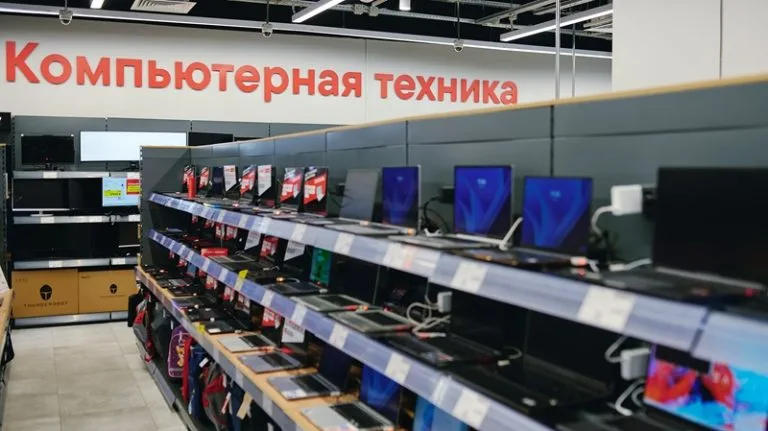
Popular PC Components in Russia Highlight Nvidia RTX 50 Series and 1TB NVMe SSDs
July 21, 2026
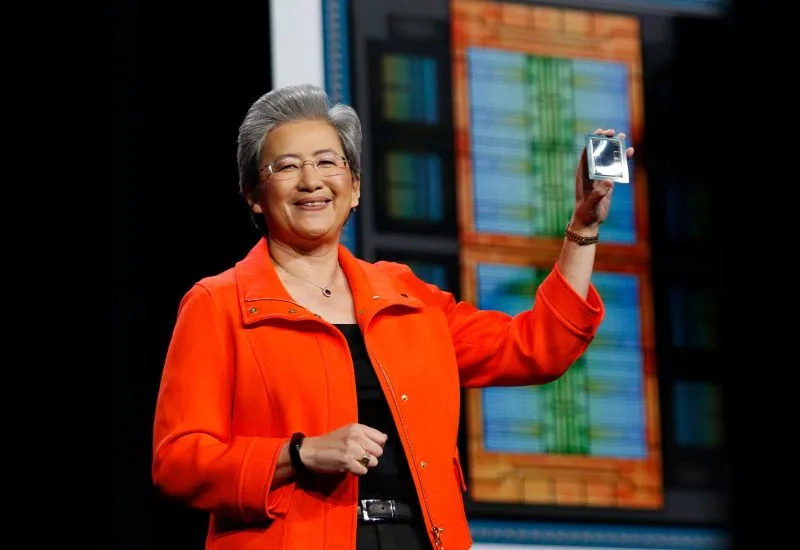
Advanced Micro Devices (AMD) has taken a significant step to address its manufacturing capacity by dispatching its CEO, Dr. Lisa Su, to Taiwan for high-level discussions with Taiwan Semiconductor Manufacturing Company (TSMC). This move underscores the company’s increasing reliance on TSMC as its primary semiconductor foundry following AMD’s exit from in-house manufacturing in the late 2010s.
AMD’s decision to pivot entirely to external foundries was influenced by the limitations of its previous manufacturing partner, GlobalFoundries, which has since focused mainly on mature semiconductor process nodes. As a result, AMD has intensified its partnership with TSMC, which currently leads in producing advanced chip technologies critical to AMD’s competitive product lineup.
Dr. Su’s visit to Taiwan signals an effort to bolster AMD’s chip production capabilities by securing additional capacity at TSMC’s facilities. This initiative is aimed at meeting an anticipated surge in demand for AMD’s processors and graphics solutions spanning numerous sectors, including gaming, data centers, and artificial intelligence workloads.
TSMC’s status as the world’s leading contract chip manufacturer has placed it at the center of a global semiconductor supply chain increasingly strained by geopolitical tensions and supply shortages. AMD’s proactive approach to directly engage with TSMC’s leadership exemplifies the strategic importance of maintaining stable and scalable manufacturing partnerships in the current market environment.
While AMD has not revealed specific details about the outcome of these discussions or the volume of additional production capacity sought, the engagement highlights the company’s commitment to ensuring it can support future product launches and sustain market growth without disruption.
Industry analysts view AMD’s reliance on TSMC as a reflection of the semiconductor sector’s broader trend toward specialization, where chip designers focus on innovation while leveraging foundries’ manufacturing excellence. This approach allows AMD to concentrate resources on research and development rather than capital-intensive fabrication facilities.
Meanwhile, GlobalFoundries’ strategic direction, focusing on more mature process technologies, limits its appeal to companies like AMD that require cutting-edge nodes for next-generation performance and efficiency gains. This dynamic continues to solidify TSMC’s pivotal role in AMD’s supply chain strategy.
As competition intensifies among chip manufacturers, securing sufficient production capacity remains a critical challenge. AMD’s CEO-led delegation to Taiwan emphasizes the company’s proactive stance in navigating this landscape to support its ambitions across computing and graphics markets.
Overall, AMD’s expanding collaboration with TSMC is likely to remain a cornerstone of its manufacturing framework, helping the company to deliver innovative products amid an evolving semiconductor industry shaped by technological advancements and global market forces.
AMD’s CEO visited Taiwan to negotiate increased chip production capacity with TSMC amid growing dependency on the foundry.