Popular PC Components in Russia Highlight Nvidia RTX 50 Series and 1TB NVMe SSDs
July 21, 2026
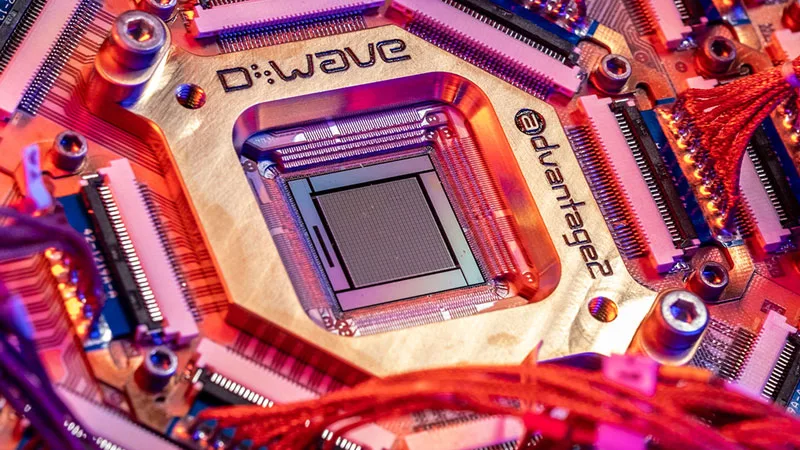
Quantum computing specialist D-Wave announced a significant strategic shift, setting its sights on developing universal quantum computers based on gate-model architectures by 2032. After nearly three decades dedicated primarily to quantum annealing technology, the Vancouver-based company plans to leverage its extensive experience to compete with industry giants including Google and IBM, who have been pursuing universal gate-based quantum machines for years.
Founded in the early 2000s, D-Wave carved out a unique position in the quantum computing landscape by focusing on quantum annealing processors optimized for specific optimization problems. This approach led the company to reach notable milestones in demonstrating quantum advantage within its domain. However, universal quantum computers capable of executing a wider range of quantum algorithms have largely been developed by rivals employing gate-based quantum circuits.
D-Wave now aims to pivot from its annealing roots and enter the universal quantum computer arena. The company acknowledges that it must close a considerable technological gap to catch up with established leaders such as Google, IBM, and others who have invested heavily in gate-model quantum processors and software ecosystems.
The transition will capitalize on D-Wave’s 30 years of experience in quantum hardware development and integration. By applying lessons learned and novel hardware techniques, the company intends to deliver quantum processors with competitive performance and scalability.
While specific technical details and timelines remain limited, D-Wave’s commitment to developing universal quantum computers signals a broader ambition to contribute to advancing quantum computing capabilities on a more general-purpose level. Achieving this objective could place the company as a prominent player in next-generation quantum technologies over the coming decade.
As universal quantum computing promises to enable a wide range of applications—from complex simulations to cryptography—D-Wave’s strategic redirection may influence market dynamics and research priorities across the quantum industry. The company’s progress over the next several years will be critical to watch as it strives to fulfill its vision of producing gate-based quantum machines that outperform competitors by 2032.
D-Wave pivots to building universal gate-based quantum computers by 2032, challenging leaders like Google and IBM with its extensive quantum annealing expertise.