
Honor Launches X7e Smartphone in Russia Featuring 7200mAh Battery and AI Shortcut Button
July 21, 2026
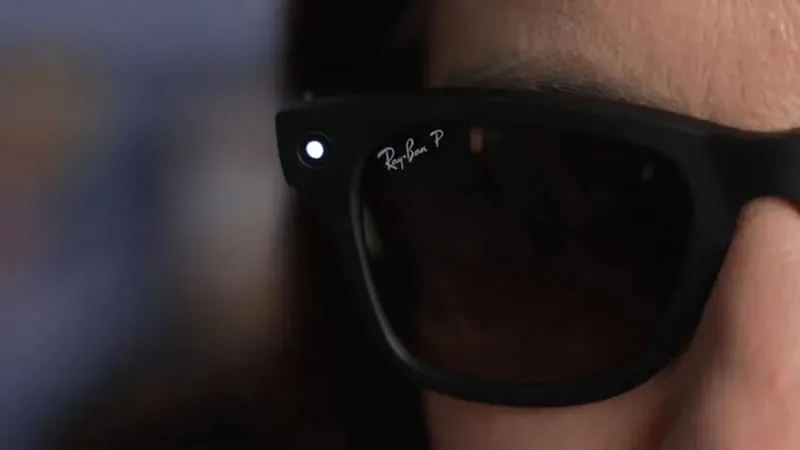
Privacy questions surrounding Meta’s smart glasses have resurfaced following the discovery of an unannounced facial recognition system embedded within the Meta AI application. The feature, identified within the software as NameTag, suggests that the smart glasses could soon incorporate the ability to recognize individuals’ faces through their built-in camera.
Meta’s collaboration with Ray-Ban on smart glasses has drawn attention in recent years due to privacy considerations. Now, a deeper dive into the companion app for Meta AI revealed code referencing the NameTag system, which appears designed to match faces captured by the glasses’ camera with identified names. The functionality has not been officially announced by Meta, but its presence in the app points toward potential future updates encompassing facial recognition capabilities.
This discovery follows earlier reports describing independent modifications where users physically disabled the LED indicator on the glasses that signals when recording is active. Such alterations enable discreet video capture, further amplifying privacy concerns related to the device’s use in public spaces.
Smart glasses with facial recognition capabilities could offer various user conveniences, including immediate identification of contacts and context-aware information. However, they also introduce significant challenges, particularly regarding the capture and use of biometric data without explicit consent.
Meta has yet to provide official details on the scope, purpose, or privacy safeguards related to the NameTag system or any plans to deploy facial recognition in its smart glasses. As wearable tech continues to evolve, the balance between convenience, technological innovation, and user privacy remains a critical and ongoing discussion.
The unfolding situation highlights the growing scrutiny around augmented reality wearables and their impact on public and personal privacy. Industry watchers and regulatory bodies alike are expected to keep a close watch on how companies like Meta manage these emerging technologies.
New code hints that Meta AI could introduce facial recognition capabilities through the camera on its smart glasses, raising fresh privacy concerns.