Thermalright Introduces Royal Pretor 130 Vision Cooler with Integrated 3.95-Inch Color Display
July 21, 2026
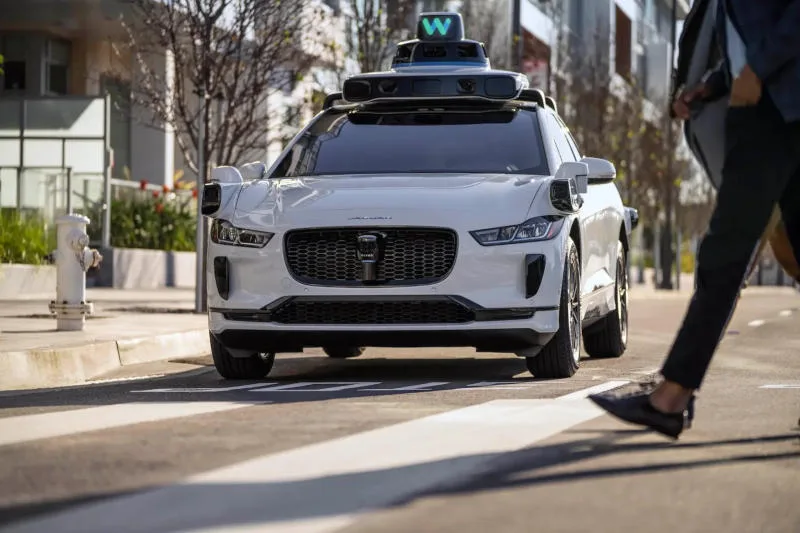
In an unusual turn of events, a self-driving taxi from Waymo was used as a getaway vehicle in a San Francisco crime earlier this year, demonstrating both the convenience and unexpected implications of autonomous transportation in real-world situations.
In January 2026, an individual reportedly stole yoga apparel from a store in San Francisco and escaped using a Waymo autonomous vehicle. Despite expectations that the advanced technology inside these vehicles would make tracking and apprehending offenders straightforward, law enforcement has yet to catch the suspect.
The incident sheds light on the growing complexity of policing in a future where self-driving cars are increasingly common on the roads. Waymo’s vehicles are equipped with a variety of sensors, cameras, and data-recording instruments designed to navigate urban environments safely and provide detailed operational information. However, these features do not necessarily translate into easy identification or capture of offenders using the service for illicit activities.
Law enforcement officials face new hurdles when dealing with autonomous vehicle-related incidents. Traditional clues such as a driver’s identity or eyewitness testimonies may be less accessible or reliable in these cases. Moreover, privacy regulations and the technical nature of autonomous vehicle systems can limit the ability to obtain real-time or historical data needed to investigate crimes effectively.
As robotaxis like Waymo’s continue to expand in major metropolitan areas, this incident underscores the importance of adapting regulatory frameworks and investigative techniques. The integration of autonomous vehicles into urban transport offers undeniable benefits in terms of convenience and safety, but it also presents unforeseen challenges that involve ensuring public safety and security.
While the company itself prioritizes passenger safety and cooperation with law enforcement, preventing misuse of its technology remains a complex issue. This case highlights the need for enhanced collaboration between tech companies, city officials, and police departments to address the unique aspects of crimes involving autonomous transport.
The San Francisco police department has not disclosed specific details about the ongoing investigation, and it remains unclear how the individual planned and executed the use of the Waymo taxi. The incident serves as an important example of how autonomous technology can influence crime dynamics, urging stakeholders to remain vigilant.
Ultimately, as autonomous taxis become more widespread, their impact on public safety will require careful monitoring and adaptive responses from both technology providers and law enforcement bodies to ensure that the benefits of self-driving technology are not overshadowed by unintended negative consequences.
A recent incident in San Francisco revealed the unexpected role of Waymo’s self-driving taxis as getaway vehicles, challenging law enforcement.