Compact AI Models for PCs Challenge Dominance of Large Language Models from OpenAI and Anthropic
June 19, 2026
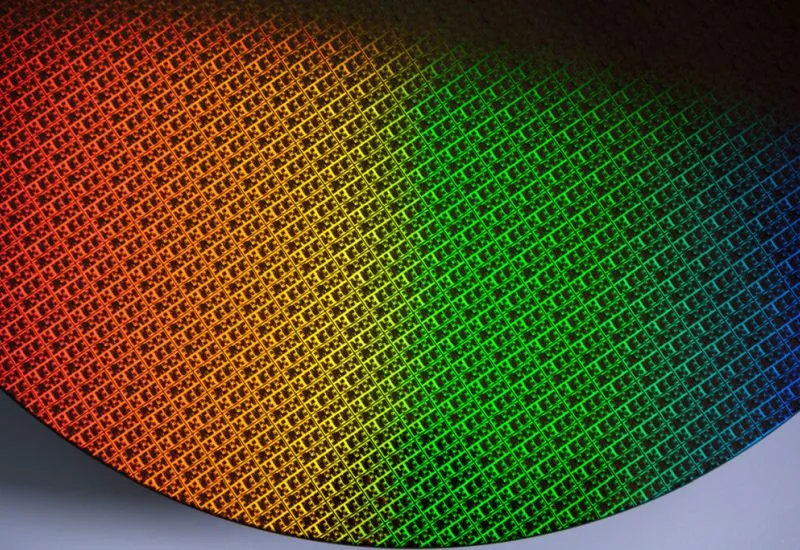
Intel has officially launched pilot production for its latest semiconductor manufacturing process, known as 18A-P, marking a significant step in the company’s roadmap for next-generation chip fabrication. This development was disclosed during the recent VLSI Symposium held in Honolulu.
The 18A-P process is an improved variant of Intel’s established 18A technology, which has previously been highlighted as a key element in the company’s strategy to regain competitiveness in the semiconductor industry.
Industry analysts view the 18A-P technology as more than just a refinement; it is seen as a pivotal move that could enable Intel to expand its foundry business by attracting third-party customers. This strategy signals Intel’s increasing ambition to become a major player not only in producing chips for its own products but also in serving external clients with advanced manufacturing capabilities.
While detailed technical specifications and production scale for the 18A-P process have not been publicly disclosed, the initiative aligns with Intel’s broader vision to innovate at the forefront of semiconductor technologies. The company has been investing heavily in advancing process nodes to meet growing demands for higher performance and energy efficiency in chips used across a variety of applications including computing, communications, and artificial intelligence.
Intel’s pilot production phase typically serves as a critical step to validate the manufacturability and quality of new chip processes before full-scale commercial deployment. Feedback from this phase will likely influence further refinement and optimization of 18A-P before it becomes widely available for volume production.
This latest announcement builds on prior efforts by Intel to reinvigorate its technology roadmap amid intense competition from other leading semiconductor manufacturers worldwide. By entering pilot production of 18A-P chips, Intel aims to demonstrate its technological maturity and readiness to support a broader ecosystem of customers seeking cutting-edge chip solutions.
As semiconductor fabrication continues to push the boundaries of physical scaling, innovations such as the 18A-P process underscore the industry’s pursuit of enhanced transistor performance and efficiency. Intel’s move to incorporate the 18A-P node into its manufacturing offerings highlights its commitment to staying at the forefront of this evolution, aspiring to influence the future landscape of chip design and production.
Intel initiates pilot manufacturing of chips using its new 18A-P technology, aiming to attract external customers for semiconductor production.