Scientists Detect Physical Traces of Black Hole Event Horizon for the First Time
June 27, 2026
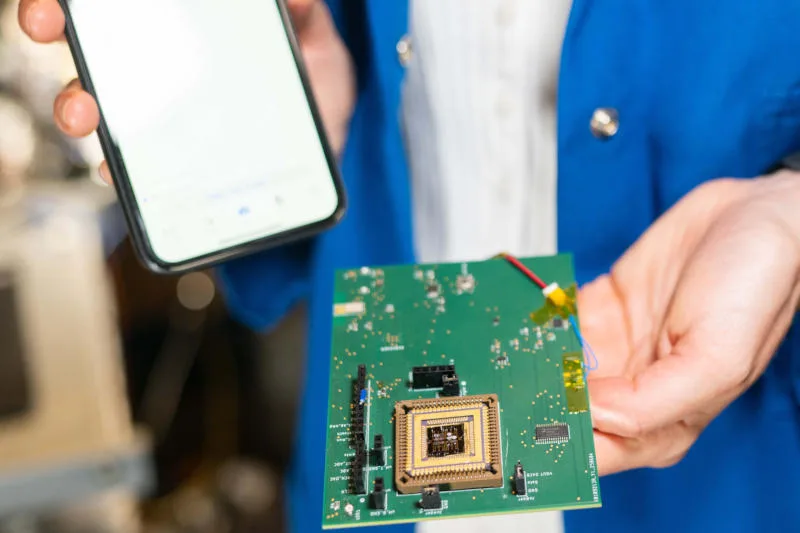
Scientists at the University of California, Berkeley, have unveiled an innovative electronic nose capable of detecting gases emitted by spoiled foods and common food allergens. This new sensor technology aims to provide improved food safety by identifying potentially hazardous products more effectively than traditional methods.
The electronic nose is designed to sense the volatile compounds released as food deteriorates, as well as those associated with allergens. Its development addresses a critical need to enhance the detection of food spoilage and contamination, which can often be difficult for humans to identify accurately, even with a highly sensitive sense of smell.
According to the research team, this device surpasses the sensitivity and selectivity of the human nasal system in identifying harmful gases. The sensor array and associated detection algorithms enable it to recognize and differentiate complex mixtures of volatile organic compounds. By doing so, it can provide real-time analysis that could be valuable for consumers, retailers, and food producers.
Foodborne illnesses and allergic reactions remain significant public health concerns. Early detection of spoiled or contaminated food products is crucial to preventing adverse health outcomes and minimizing food waste. The electronic nose technology could transform how food quality is monitored through non-invasive and rapid sensing techniques.
While specific details regarding commercial availability, pricing, and integration into consumer products have not been disclosed, the breakthrough represents an important advancement in food monitoring technologies. It underscores the growing potential of sensor-based AI applications in everyday health and safety contexts.
This research contributes to a broader trend of leveraging artificial intelligence and sensor innovation to tackle real-world challenges. Enhanced detection systems such as the electronic nose showcase how technology can augment human capabilities, especially in areas requiring precise and timely identification of chemical signatures.
UC Berkeley researchers created an electronic nose that senses gases from spoiled foods and allergens, outperforming the human nose.