Popular PC Components in Russia Highlight Nvidia RTX 50 Series and 1TB NVMe SSDs
July 21, 2026
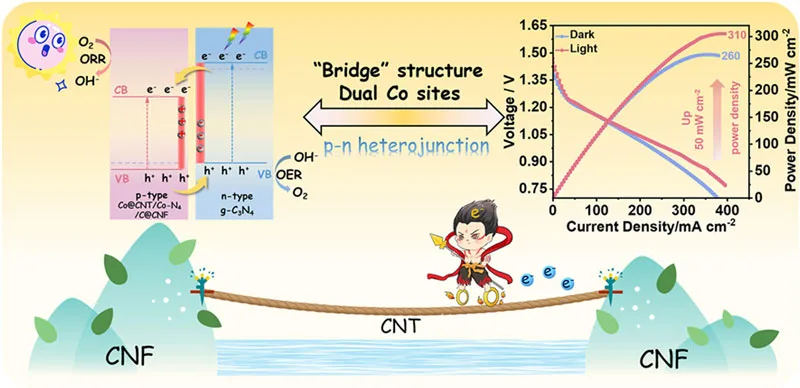
Researchers at Donghua University in China have announced a significant advancement in zinc-air battery technology, proposing an innovative method to overcome one of the major obstacles limiting the performance of these batteries. Zinc-air batteries, recognized for their cost-effectiveness compared to lithium-ion alternatives, have historically struggled with slow oxygen reduction and evolution reactions, which hamper their overall efficiency and practical application.
The team from Donghua University implemented a novel approach that utilizes ordinary light to enhance the electrochemical processes within the battery. This method targets the slow kinetics of oxygen reactions at the battery’s electrodes—a primary factor that has restricted the widespread use of zinc-air batteries despite their promising attributes.
By exposing the battery components to light, the scientists observed a significant increase in the speed of the oxygen reduction and oxygen evolution reactions. Accelerating these reactions helps improve the battery’s charge and discharge efficiency, potentially enabling better energy storage performance and faster cycling times.
Previous challenges with zinc-air batteries have included managing the complex electrochemical environment where oxygen interacts within the system. The innovative use of light introduces a new dynamic that could address these issues without relying on expensive or rare materials, maintaining zinc-air’s advantage as a more affordable alternative to traditional lithium-ion batteries.
While detailed performance metrics, pricing, and commercial availability were not disclosed, this breakthrough could mark an important step forward in the development of more sustainable and economically viable battery technologies. The utilization of light as a catalyst for improving battery reactions opens new research pathways for enhancing other types of metal-air batteries and clean energy storage solutions.
Zinc-air batteries have drawn attention for applications where cost and energy density are critical, including grid-scale storage and electric vehicles. However, increasing the speed of the oxygen-related reactions at electrodes without sacrificing stability has remained elusive. The Donghua University researchers’ light-assisted strategy represents a promising direction towards solving these technical challenges.
As global demand for efficient energy storage intensifies, innovations like this could contribute to the diversification of battery technologies, reducing reliance on scarce materials and lowering environmental impact. Continued exploration of light-enhanced electrochemical processes may ultimately lead to commercially viable zinc-air batteries that combine affordability with improved operational performance.
Donghua University scientists introduce a zinc-air battery that uses light to improve oxygen reaction rates, addressing key challenges of this tech.