Crushed in Time Introduces Innovative Mechanics to a Fading Quest Genre
July 11, 2026
South Korea is preparing to direct increased tax revenues generated during the rapid expansion of its artificial intelligence (AI) sector into a dedicated fund aimed at benefiting future generations. This move addresses the substantial economic gains emerging from key players in the country’s memory chip industry.
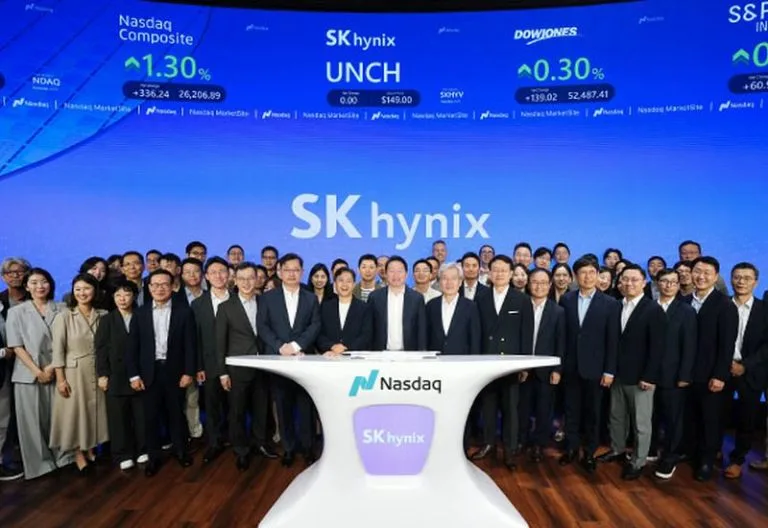
Samsung Electronics and SK hynix, two of South Korea’s largest technology firms, currently control between 65% and 80% of the global memory chip market. Their dominant position has contributed significantly to the nation’s economic output, making memory chips a cornerstone of South Korea’s export industry and overall fiscal health.
As the AI market accelerates demand for memory components, the revenues generated by these companies have seen a swift increase. Correspondingly, the tax contributions from Samsung Electronics and SK hynix to South Korea’s government budget have surged, reflecting the profitability of the sector amid the AI boom.
The government has identified this influx of tax income as an opportunity to address social concerns, particularly those affecting younger demographics and economic disparities. Authorities are focusing on creating long-term benefits by setting aside a portion of these funds to assist with such challenges.
While specific details regarding the structure or size of the fund were not disclosed, officials emphasized its role in fostering social equity and supporting youth development initiatives. This strategy aligns with broader efforts to ensure that the prosperity gained from technological advancements contributes to inclusive economic growth.
South Korea’s approach to allocating AI-driven tax revenues highlights the country’s broader ambition to balance rapid technological progress with sustainable social development. By redirecting financial gains into a future-oriented fund, policymakers aim to mitigate inequality and empower the next generation amid an evolving digital economy.
South Korea plans to channel soaring tax revenues from its booming AI-driven memory chip sector into a fund supporting youth and addressing inequality.