James Webb Telescope Sheds Light on Atmosphere of a Planet Orbiting a Dead Star
July 11, 2026
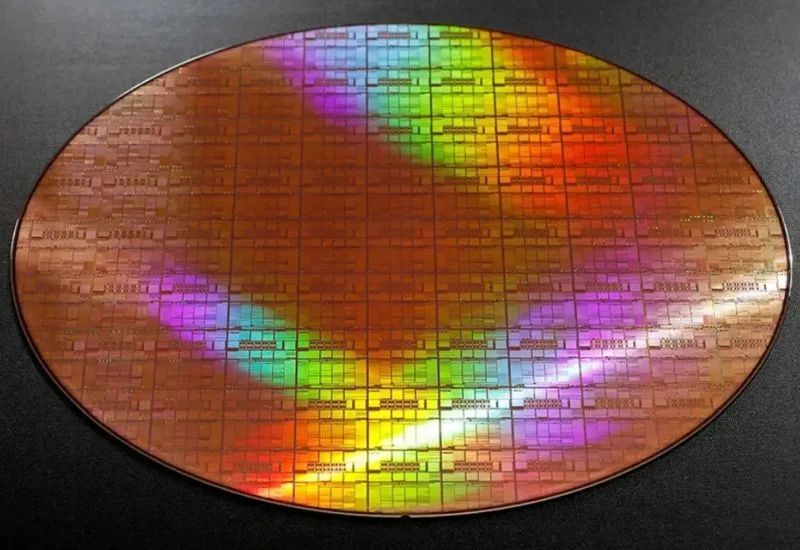
Japanese semiconductor manufacturer Rapidus is positioning itself to compete with Taiwan Semiconductor Manufacturing Company (TSMC) by offering more affordable pricing for its upcoming 2-nanometer (2nm) chip production process. The move reflects a strategic effort to attract clients away from TSMC, which currently dominates the advanced semiconductor foundry market.
At a recent event, Rapidus Chief Executive Officer Atsuyoshi Koike highlighted that the company’s approach to gaining market share involves not only differentiating the type of services provided but also leveraging cost advantages. By setting lower prices for its cutting-edge manufacturing capabilities, Rapidus hopes to become an appealing alternative for chip designers and technology companies seeking 2nm fabrication.
The 2nm process is widely anticipated as a critical step forward for the semiconductor industry, enabling enhanced performance and energy efficiency for next-generation devices, including artificial intelligence (AI) hardware and mobile computing components. TSMC, as the world’s largest contract chipmaker, has announced efforts to ramp up production at this technology node, making competition fierce.
Rapidus, backed by a consortium of Japanese stakeholders aiming to revitalize the country’s semiconductor sector, emphasizes a strategic blend of competitive pricing alongside developing innovative manufacturing services. This combination seeks to meet demand from a range of customers interested in emerging nanometer-scale technologies.
While details such as pricing structures, production capacity, and timelines for Rapidus’s 2nm process remain under wraps, the company’s executive comments underline a clear goal: to carve out a foothold in the global foundry landscape by attracting clients that might otherwise turn exclusively to TSMC.
The semiconductor foundry industry faces multiple challenges as it pursues manufacturing at increasingly smaller nodes like 2nm. These include escalating research and development costs, complex fabrication techniques, and stringent quality control requirements. TSMC has invested heavily over the years to maintain its lead, prompting competitors such as Rapidus to devise strategies to overcome barriers and entice customers.
Rapidus’s pricing approach could pressure market dynamics, potentially benefiting customers by fostering competition for next-generation chip production services. However, the company’s success will depend on its ability to deliver technology that matches the performance and reliability standards established by incumbent foundries.
The evolving semiconductor landscape continues to be shaped by geopolitical considerations and industrial policies aimed at securing supply chains. Japan’s support of Rapidus reflects broader aspirations to reclaim a significant role in semiconductor manufacturing amid global demand for advanced chips used in AI, cloud computing, and other critical applications.
As Rapidus develops its 2nm process offerings, industry stakeholders will closely monitor its progress in challenging established players and contributing to the diversification of semiconductor manufacturing capabilities worldwide.
Rapidus plans to attract customers from TSMC by offering lower-priced services for its upcoming 2nm semiconductor manufacturing process.