Kioxia’s Market Value Drops 50% Amid Growing Uncertainty in AI Chip Sector
July 17, 2026
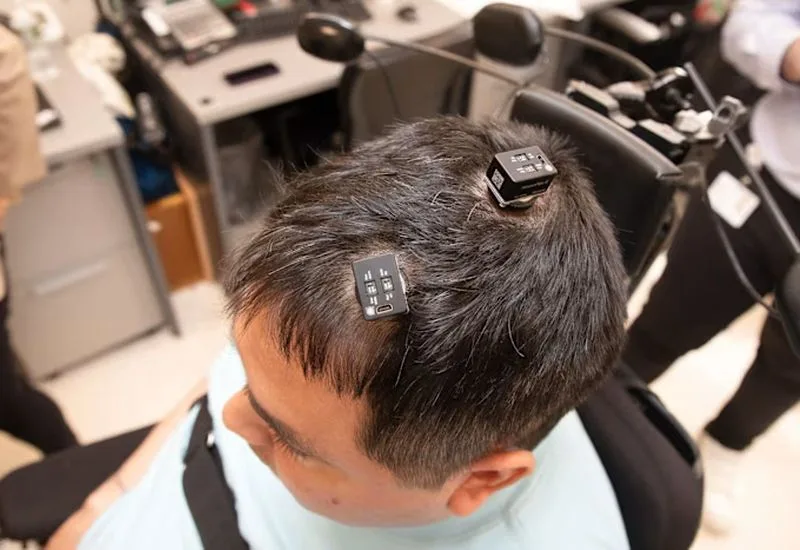
In a significant development within the field of neurotechnology, American scientists have achieved a milestone by restoring hand movement in a paralyzed person using brain implants. This advancement was detailed in a recent publication in the journal Nature Medicine, marking a pivotal moment in the use of neural interfaces to treat paralysis.
Until now, efforts to employ brain implants for patients suffering from paralysis or speech loss primarily focused on translating brain signals into computer commands. These commands would typically control a cursor on a screen or generate synthesized speech, providing limited functional autonomy to the users.
The latest development moves beyond these applications by enabling direct control over muscle movement. The implanted devices interpret brain impulses in a way that allows the paralyzed individual to actively move their hands, a capability that had eluded researchers and clinicians until this breakthrough.
This technology taps into the neural activity associated with intended hand movements and converts it into electrical stimulation signals. By accessing the motor cortex, the implants facilitate communication between the brain and the muscles of the hand, effectively bypassing damaged neural pathways that cause paralysis.
The success of this approach offers new possibilities not only for individuals with paralysis but also for the broader field of rehabilitation medicine, potentially allowing patients to regain a higher degree of independence and quality of life.
While details regarding the specific methodology, patient case, and long-term efficacy were not fully disclosed in the report, the achievement represents a crucial proof of concept for brain-controlled prosthetics and therapeutic devices aimed at restoring motor functions.
This breakthrough aligns with ongoing global efforts to develop advanced brain-computer interfaces, exploring how direct neural engagement can overcome neurological impairments. It highlights the rapidly evolving intersection of neuroscience, engineering, and medical science in addressing conditions previously considered irreversible.
US researchers have used brain implants to enable a paralyzed individual to regain hand movement, marking a key advancement in neuroprosthetics.