Honor Opens Preorders for Robot Phone Featuring Robotic 200MP Camera Gimbal
July 19, 2026
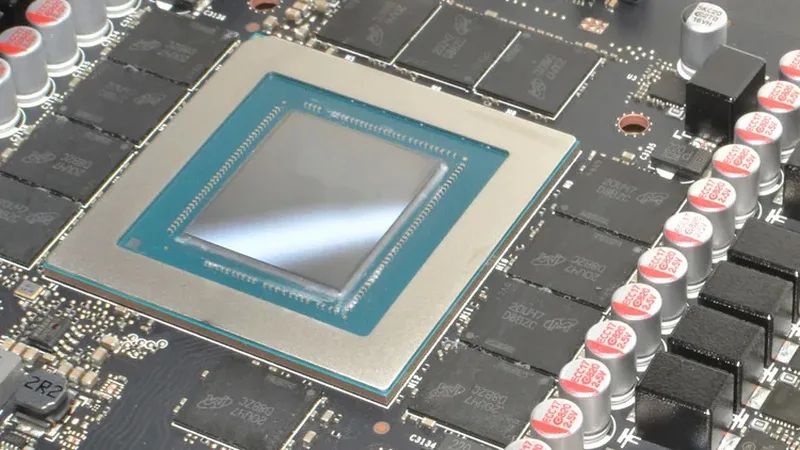
Nvidia’s upcoming GeForce RTX 50 Super series of graphics cards, previously anticipated to advance the next generation of gaming hardware, has encountered a delay primarily due to the cost challenges related to the new memory technology planned for these models.
According to information reported by VideoCardz, the lag in the launch schedule traces back to the high price of 3GB GDDR7 memory chips intended for the RTX 50 Super cards. While the GPUs for these new models have reportedly already been shipped to one of Nvidia’s partners, the memory cost issue has prompted Nvidia to hold back the official market release.
The GeForce RTX 50 Super lineup was expected to incorporate advanced memory components designed to enhance graphical performance and efficiency. However, the introduction of 3GB capacity GDDR7 memory chips has resulted in unexpectedly elevated costs, presenting a significant hurdle for Nvidia’s release strategy.
This memory technology, known for its improved speed and efficiency compared to previous generations, appears to be costly enough to influence the timing of Nvidia’s product launch. The company reportedly informed its manufacturing partner about the decision to postpone the release, underscoring the impact memory pricing has on the overall production and retail cost structure.
The decision to delay suggests that Nvidia is weighing market readiness and cost-effectiveness over speed to market, possibly anticipating a time when the memory chip costs may become more manageable or when alternative solutions may be available.
While the specifics of how long the delay may last or when the pricing dynamics are expected to improve remain unclear, this development highlights the growing challenges hardware manufacturers face as components adopt newer, more advanced technologies.
With the RTX 50 Super series positioned as an enhancement to Nvidia’s GPU offerings, the memory cost hurdle also illustrates the broader semiconductor industry’s current supply and pricing pressures, factors that continue to influence product release schedules and strategies across technology categories.
Further announcements from Nvidia regarding the official launch timeline and potential adjustments to the RTX 50 Super lineup are anticipated, but for now, the community and industry observers must wait as memory costs remain a critical factor in the rollout of these next-generation graphics cards.
Nvidia pauses the release of GeForce RTX 50 Super graphics cards amid high expenses tied to 3GB GDDR7 memory chips.