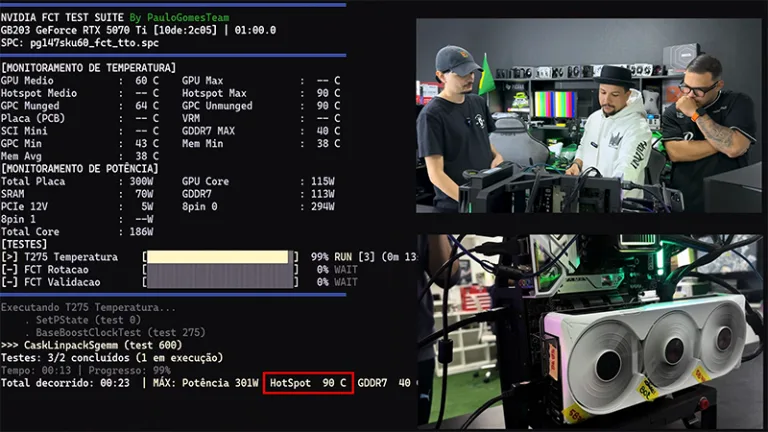
Nvidia GPUs Can Report Individual GDDR6 and GDDR6X Memory Chip Temperatures, Enthusiasts Discover
July 19, 2026
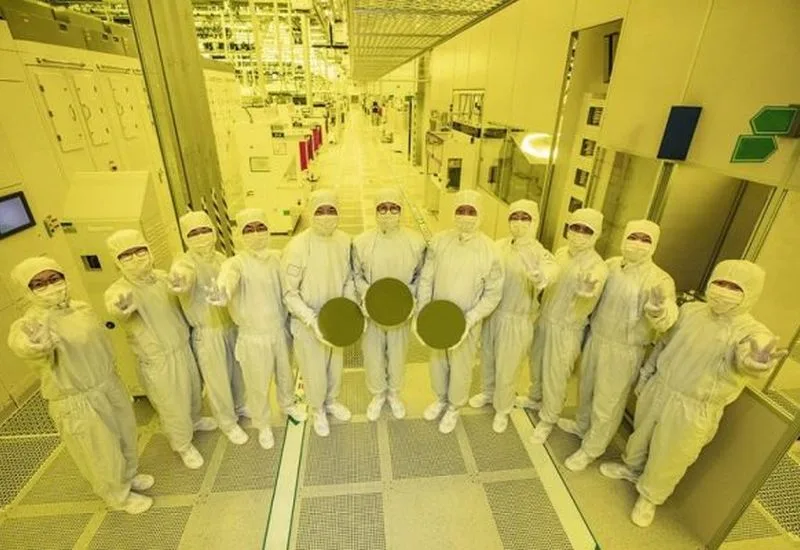
A significant wage gap emerging within Samsung Electronics is causing major disruption among its workforce, particularly in the contract division responsible for chip production. Following a strike and subsequent negotiations earlier this year, employees involved in the company’s memory manufacturing operations are set to receive substantially larger annual bonuses compared to other departments.
This newfound disparity in compensation has generated a strong reaction among workers, with reports indicating that as many as eight out of ten employees in Samsung’s contract chip manufacturing sector are now open to seeking new employment opportunities.
In May, a strike led by one of the labor unions representing Samsung’s memory production staff highlighted ongoing issues related to pay equity within the company. The strike’s resolution granted memory unit workers annual bonuses that are reportedly up to one hundred times greater than those awarded in other Samsung divisions. While this increase rewards a specific group, it has also exposed deep frustration among contract employees who feel marginalized by the company’s current compensation strategy.
The chip manufacturing contract sector is a vital component of Samsung’s semiconductor operations, contributing significantly to the overall output. However, the wage imbalance has undermined morale in this section of the workforce. Sources close to the situation describe a widespread sentiment of discontent and uncertainty among these contract workers, with many contemplating leaving Samsung altogether.
Retention challenges of this magnitude could pose risks to Samsung’s production continuity, especially given the critical nature of the semiconductor industry where skilled labor is essential. The possibility of a high turnover rate in this particular segment suggests potential disruptions if the company cannot address these compensation issues swiftly.
Samsung has not publicly disclosed details regarding any planned adjustments to the contract workforce’s pay structure beyond the recent bonus announcements. The company also has yet to comment on how it intends to manage the growing dissatisfaction and prevent a mass departure of experienced chip manufacturing employees.
As the semiconductor sector worldwide faces intense competition and rapid innovation, stable labor relations and employee satisfaction remain crucial for maintaining supply chain stability and meeting market demands. Samsung’s handling of this internal wage divide will be closely watched by industry observers, labor groups, and stakeholders seeking to understand the broader implications for the company’s operational resilience.
In summary, the striking increase in bonuses for the memory division, while favorable for those employees, has inadvertently spotlighted inequities within Samsung’s workforce. The result is an alarming willingness among contract chip manufacturing workers to consider employment elsewhere, signaling a potential challenge for Samsung to sustain its talented labor pool amidst shifting compensation dynamics.
A wage disparity at Samsung has led 80% of contract chip manufacturing workers to consider changing jobs amid recent strike outcomes.