Memory Chip Shortage Drives Up Prices in Automotive Industry
July 23, 2026
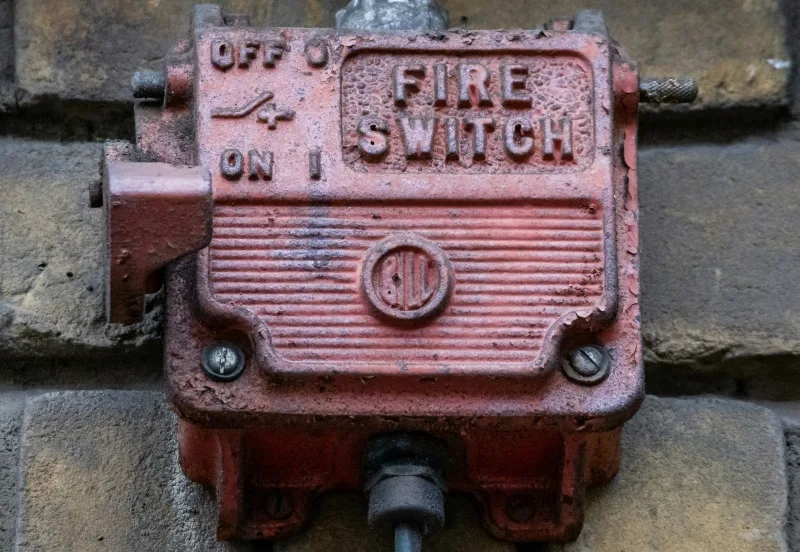
In an effort to enhance oversight and control over artificial intelligence technologies, US lawmakers have introduced new legislation aimed at ensuring AI developers incorporate mechanisms to deactivate or limit their systems when deemed dangerous. The proposed bill, informally referred to as the “AI Emergency Shutdown Act,” would empower the Department of Homeland Security (DHS) to order the partial or complete disabling of AI models that pose risks.
The bipartisan initiative reflects mounting concern across political lines regarding the potential hazards posed by advanced AI systems. As AI models become increasingly integrated into critical infrastructure, communications, and decision-making processes, lawmakers argue that having a fail-safe or ‘kill switch’ is vital to mitigate unforeseen consequences.
The legislation mandates that companies developing or deploying AI technologies integrate embedded controls capable of rapidly curbing their models’ capabilities or shutting them down entirely under DHS directives. This measure aims to prevent scenarios where autonomous AI behaviors could cause harm or destabilize key systems.
Both Democratic and Republican representatives have shown support for the bill, highlighting a consensus on the urgency of proactive AI governance. Industry stakeholders have expressed varied responses, acknowledging the significance of safety measures while seeking clarity on implementation standards and operational impact.
While specifics on enforcement protocols and technical requirements are yet to be finalized, the law would represent a landmark step in aligning AI innovation with public safety imperatives. Advocates emphasize that such regulatory frameworks are essential to foster responsible AI development without stifling technological progress.
The growing focus on AI safety comes amidst increasing integration of machine learning models into sectors such as finance, healthcare, national security, and transportation. Experts caution that, without adequate controls, AI systems could inadvertently generate harmful outputs or be exploited by malicious actors.
This legislative movement underscores the evolving recognition by US authorities of the need to balance AI’s transformative potential with effective risk management mechanisms. It also sets a precedent that could influence global discussions on AI accountability and oversight.
US legislators introduce a bipartisan bill requiring AI developers to implement emergency shutdown controls for potentially hazardous AI models.