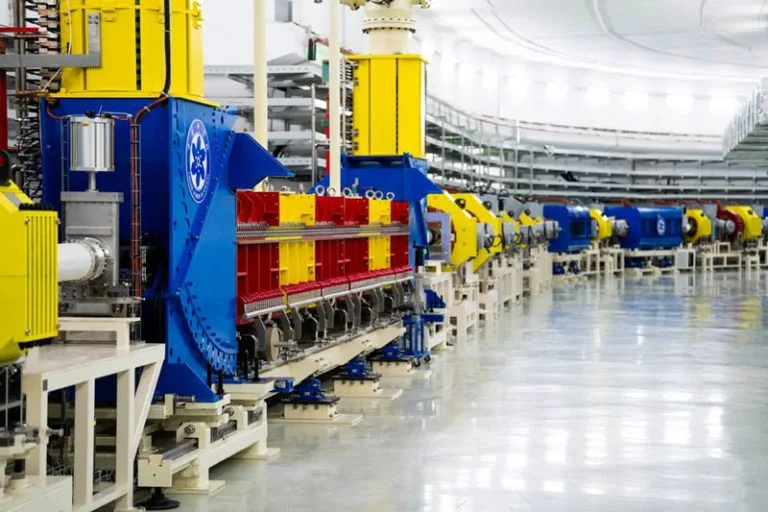
China Launches Powerful Heavy-Ion Accelerator to Simulate Stellar and Supernova Processes
July 23, 2026
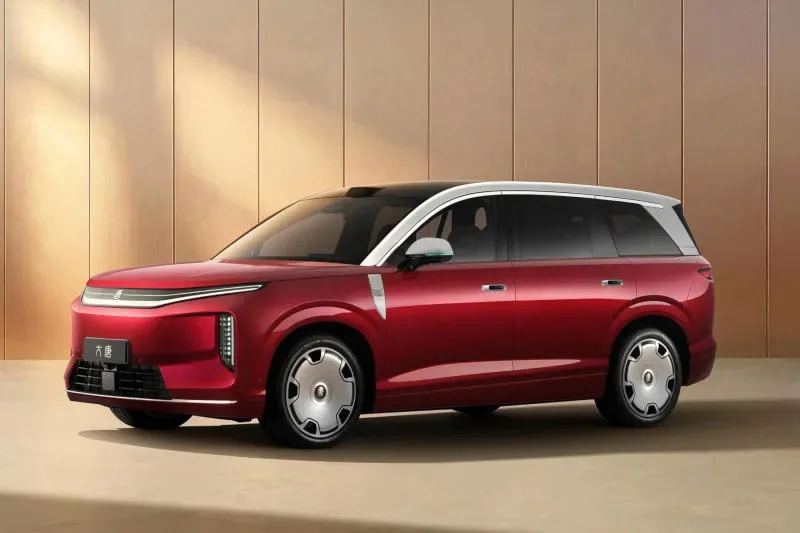
The global shortage of memory chips, initially affecting personal computer manufacturers, gamers, and tech enthusiasts, is starting to have a noticeable impact on the automotive sector. According to reports from industry analysts, two major carmakers have recently raised prices, citing difficulties in obtaining sufficient semiconductor memory components as a key reason.
This disruption stems from the surge in demand for memory chips prompted by the expansion of artificial intelligence technologies. The growing need for more sophisticated computing power in AI-driven devices significantly strained production capacities, creating supply bottlenecks that have now extended beyond consumer electronics.
Automobiles increasingly rely on numerous semiconductor components to power advanced features such as autonomous driving systems, infotainment, and safety technologies. The scarcity of memory chips, integral for these functions, has forced manufacturers to reassess production costs and reflect these pressures in vehicle pricing.
While the memory chip shortage was initially concentrated in the PC and gaming hardware supply chains, experts had anticipated that the automotive industry would eventually feel the consequences. The recent price adjustments by leading automakers confirm those predictions. Though specific details regarding which manufacturers have adjusted prices remain undisclosed, the trend indicates a broader challenge within the sector.
Automotive manufacturing depends heavily on steady supplies of increasingly complex semiconductor components. As automakers integrate more AI technologies and electronic systems into their vehicles, the demand for advanced memory chips continues to rise. Without adequate supplies, companies face production delays, higher costs, or both.
The price increases come amid an already volatile global supply chain environment, which has been grappling with chip shortages for several years. The intersection of AI’s explosive growth and the automotive sector’s transformation towards smarter, connected vehicles underscores the critical nature of semiconductor availability.
Industry watchers suggest that without significant expansions in chip manufacturing capacity or improvements in supply chain logistics, similar cost pressures could persist or intensify. This situation poses challenges not only for manufacturers but also for consumers seeking more affordable, technology-rich vehicles in the near future.
In summary, the memory chip shortage that originated in the tech industry is now influencing automotive pricing, highlighting the interconnected nature of modern electronics supply chains and the broad-reaching impact of semiconductor scarcity.
The ongoing memory chip shortage impacting PC makers is now affecting automakers, leading to price increases for vehicles due to supply constraints.