US Lawmakers Propose AI Kill Switch Mandate to Curb Risky Systems
July 23, 2026
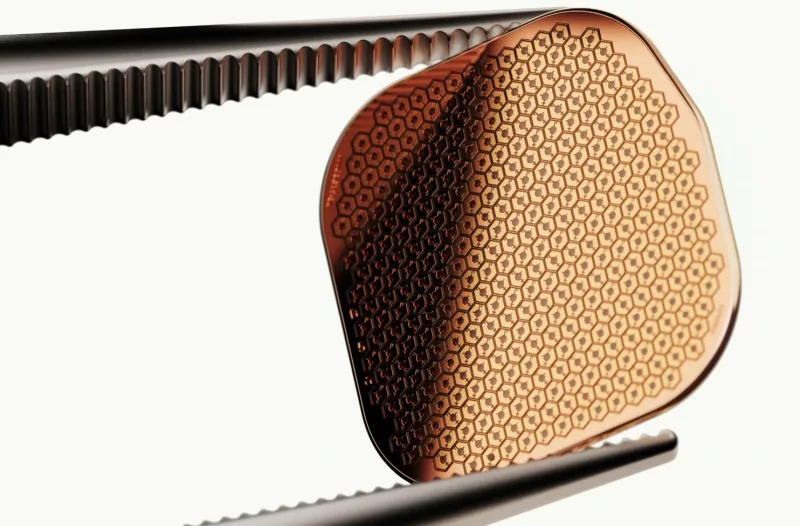
Science, a medical technology company, has officially introduced the PRIMA retinal implant in 30 European nations, marking a significant advancement in treating vision loss caused by geographic atrophy (GA), a severe complication of age-related macular degeneration (AMD). This condition is recognized as one of the primary causes of blindness worldwide, particularly affecting aging populations.
The PRIMA implant specifically targets patients suffering from vision impairment due to GA, where progressive degeneration of retinal cells leads to the loss of central vision. This innovation aims to address the substantial unmet medical need related to this form of blindness.
Extensive clinical trials have demonstrated promising results for PRIMA, with about 84% of participants regaining the ability to read after receiving the implant. The device works by bypassing the damaged retinal cells and directly stimulating the underlying retinal tissue, effectively restoring visual perception in affected individuals.
This breakthrough is especially meaningful for elderly patients who had previously lost central vision, which is crucial for tasks such as reading and recognizing faces. Restoring these abilities can considerably improve their independence and quality of life.
The development of PRIMA has been linked to one of Neuralink’s cofounders, adding to the innovative technologies associated with the figure responsible for advancements in neurotechnology. However, the implant’s launch and adoption represent significant progress in medical devices focusing on sensory restoration.
While the PRIMA retinal implant is now available across multiple European countries, details regarding pricing, insurance coverage, and broader accessibility remain to be clarified. Ongoing and future studies will likely evaluate long-term outcomes and potential enhancements to the technology.
This introduction of PRIMA may diversify treatment options for vision loss and represents a milestone in leveraging implantable electronics to combat sensory deficits linked to degenerative ocular disease.
The PRIMA retinal implant launches in 30 European countries, enabling blind patients with geographic atrophy to regain reading ability.