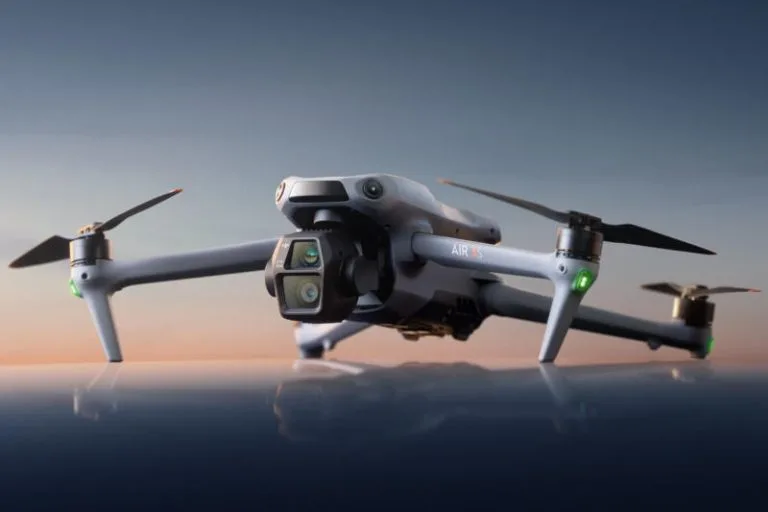
FCC to Allow Import of Chinese Toy Drones While Keeping Professional UAVs Banned
June 17, 2026
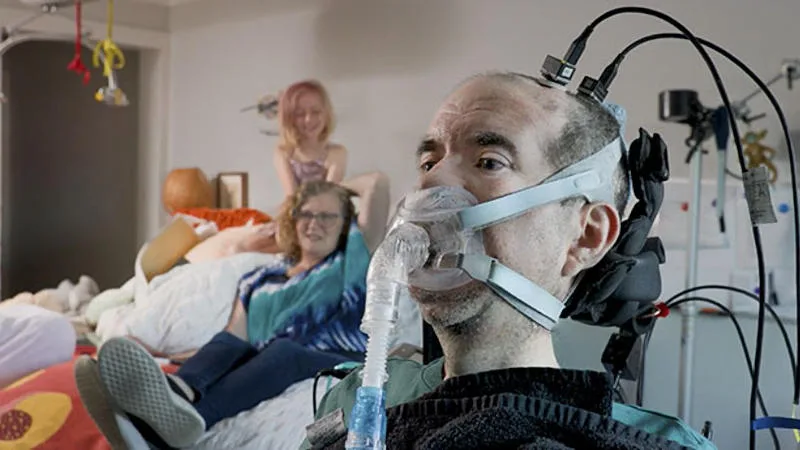
A groundbreaking advancement in neurotechnology has enabled a patient suffering from amyotrophic lateral sclerosis (ALS) to regain the ability to speak and to return to full-time employment. This achievement was made possible by combining an artificial intelligence (AI) system with a brain-computer interface (BCI).
The patient in question had become paralyzed and was unable to communicate verbally due to the progression of ALS, a neurodegenerative disease that affects motor neurons and gradually impairs voluntary muscle movement. Traditional methods of communication and assistance had limitations in restoring natural speech or enabling the patient to perform work-related tasks.
The implemented solution involves a brain-computer interface that decodes neural signals directly from the brain, translating them into speech through the use of sophisticated AI algorithms. This technology bypasses the need for muscle movement, allowing the patient to interact with computers and communicate more naturally.
This approach has proven effective enough to allow the patient not only to communicate fluently but also to resume professional activities on a full-time basis, demonstrating a significant improvement in quality of life and independence.
The integration of AI with brain-computer interface technology represents a promising new direction for assistive devices aimed at patients with severe motor impairments such as those caused by ALS, stroke, or spinal cord injuries. By enabling direct interpretation of brain activity, these systems can provide alternative pathways for communication and interaction with the environment.
While the details regarding the specific AI models employed, hardware design, pricing, or the timeline for broader availability have not been disclosed, this development marks an important milestone in the field of neurorehabilitation and assistive technology. It highlights the potential for AI-driven BCIs to transform patient outcomes and reintegrate individuals with debilitating conditions into active, productive lives.
An AI-powered brain-computer interface has enabled a paralyzed ALS patient to regain speech and return to full-time work.