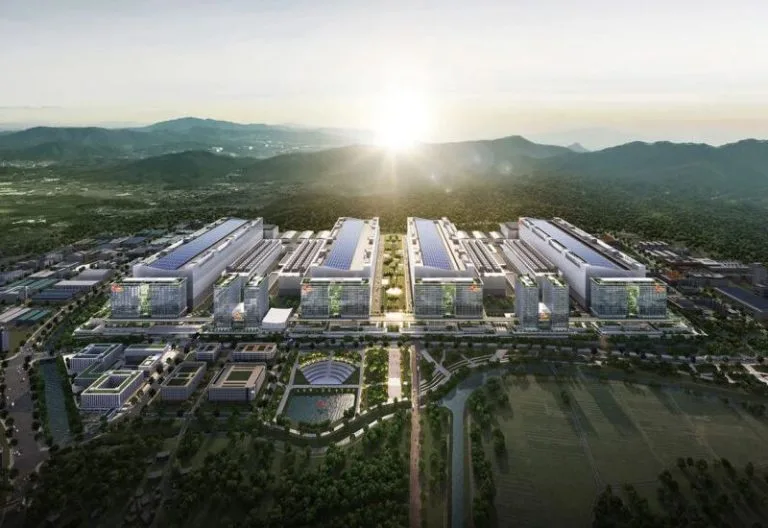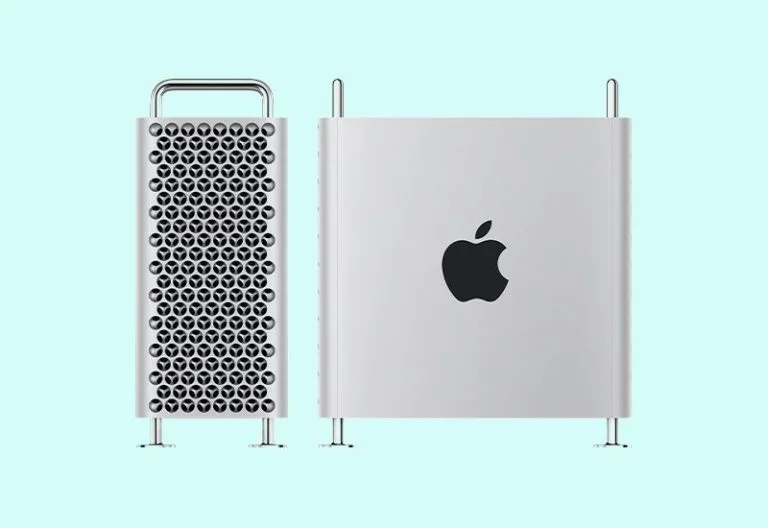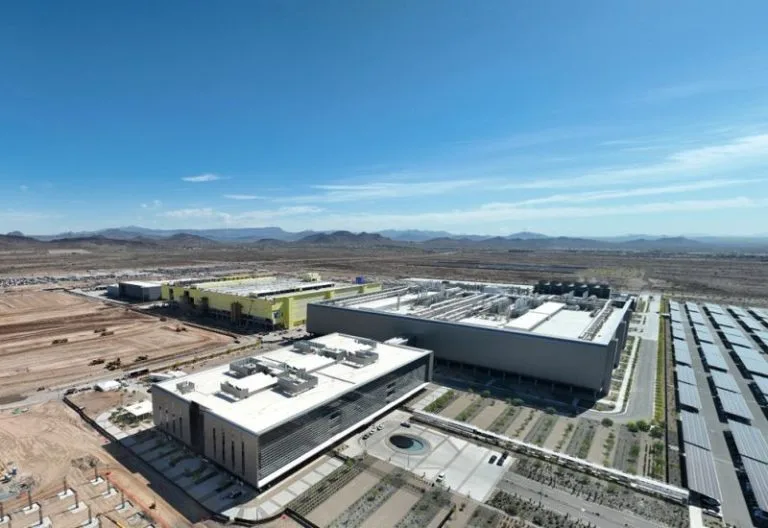
TSMC Plans $265 Billion Investment to Expand U.S. Chip Manufacturing Amid Rising Competition
July 20, 2026
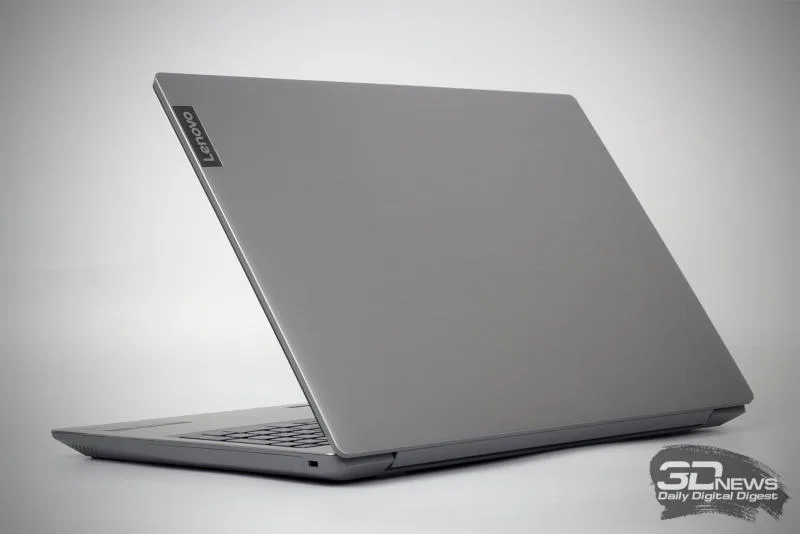
Prices for laptops and desktop computers have risen significantly, reflecting supply constraints and increased demand driven by the artificial intelligence (AI) industry. Memory chip manufacturers, supplying critical components such as DRAM and NAND flash, have prioritized clients in the lucrative AI sector, contributing to a notable shortage for traditional PC suppliers.
The surge in AI applications requiring vast computational resources has caused a shift in semiconductor supply chains. Key memory components like DRAM and NAND, essential for both AI hardware and general computing devices, have experienced dramatic price hikes over the past year. Sources indicate that prices for these chips have increased more than fourfold, putting pressure on PC manufacturers to adapt.
With memory chip suppliers focusing on clients involved in AI development, companies producing consumer laptops and desktop computers face challenges in securing adequate DRAM and NAND supplies. This reallocation of resources has contributed directly to an overall price rise exceeding 10% for laptops and PCs in the market.
Industry observers point out that while the AI sector benefits from increased investment and prioritization of high-margin chip orders, the ripple effects are felt throughout the broader electronics industry. End users looking to purchase memory-intensive devices such as gaming rigs, professional workstations, or everyday laptops are encountering steeper price tags as manufacturers pass along higher component costs.
This scenario underscores the shifting dynamics in semiconductor production driven by evolving technology demands. The prioritization of AI-related chips exemplifies how emerging sectors can reshape traditional supply chains and pricing structures in the consumer electronics space.
Although specific pricing details for individual laptop and desktop models vary by brand and region, the overall trend points to a marked increase in hardware costs linked to constrained memory chip availability. PC vendors are expected to continue managing supply challenges while balancing demand from diverse customer segments amid this evolving technology landscape.
Increased demand from the AI sector has pushed memory chip prices up, causing laptop and PC costs to climb more than 10%.