App Store Sees Surge in New Apps Amid Growth of No-Code Platforms in Early 2026
July 21, 2026
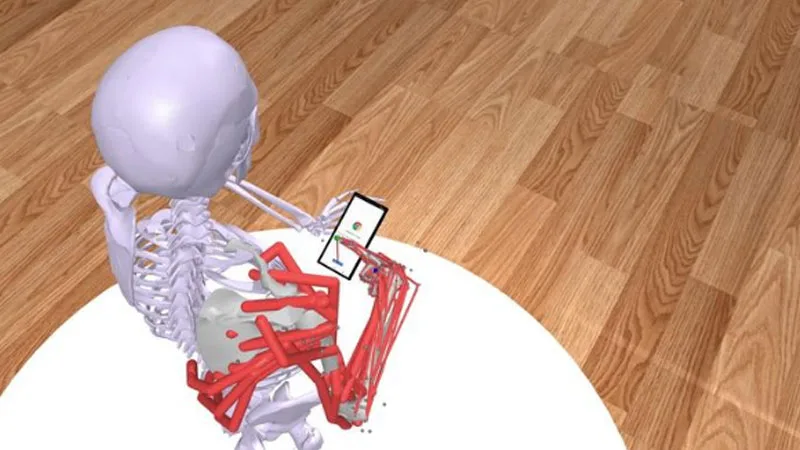
Recent advancements in artificial intelligence have introduced a novel method for assessing muscle activity in a smartphone user’s working hand by examining touchscreen interaction logs. This innovative approach enables AI systems to interpret data from taps, swipes, and other gestures to provide insights into the user’s muscular engagement during device use.
The AI technology processes the coordinates and movement patterns of finger interactions captured by the smartphone’s touchscreen sensor. By analyzing these inputs, the system can infer the activity levels of the musculoskeletal system associated with the user’s dominant hand. This capability extends beyond mere gesture recognition, offering a detailed view of muscular strain and effort involved while navigating apps.
Identifying muscle activity through such passive monitoring could significantly impact how user interfaces are designed. Detecting signs of fatigue early may allow app developers and device manufacturers to optimize tactile interactions, potentially reducing strain during prolonged smartphone use.
Moreover, this AI-driven analysis holds promise for enhancing accessibility features on mobile platforms. Tailoring interfaces based on an individual’s physical condition could improve usability for people with motor impairments or limited hand mobility, creating a more inclusive digital environment.
While specific technical details and implementation strategies have not been publicly disclosed, the method underscores the growing intersection between AI, biomechanics, and user experience design. Future developments could see integration of such muscle activity monitoring into ergonomic assessments and personalized device settings to foster healthier interaction habits.
The research highlights an emerging trend where smartphones serve not just as communication tools but as sensors providing valuable physiological data, processed through machine learning for practical benefits. This approach exemplifies how AI can contribute to both technology enhancement and health awareness in everyday devices.
AI can now track muscle activity and predict fatigue of a smartphone user’s working hand by analyzing touchscreen interaction data.