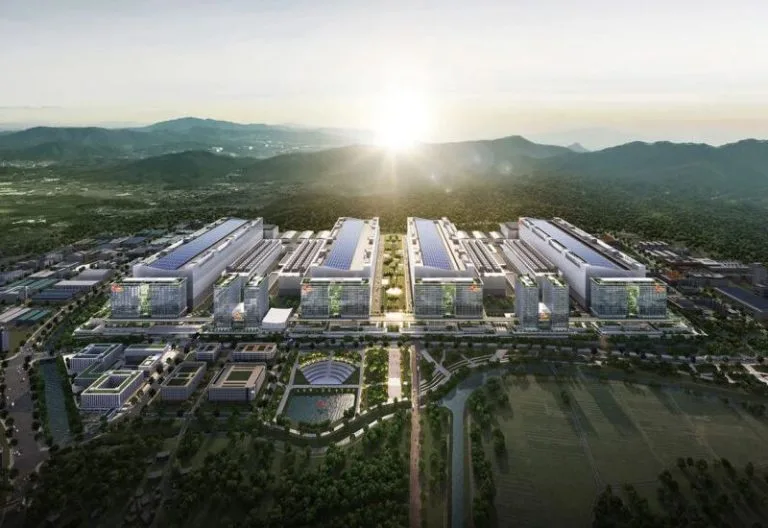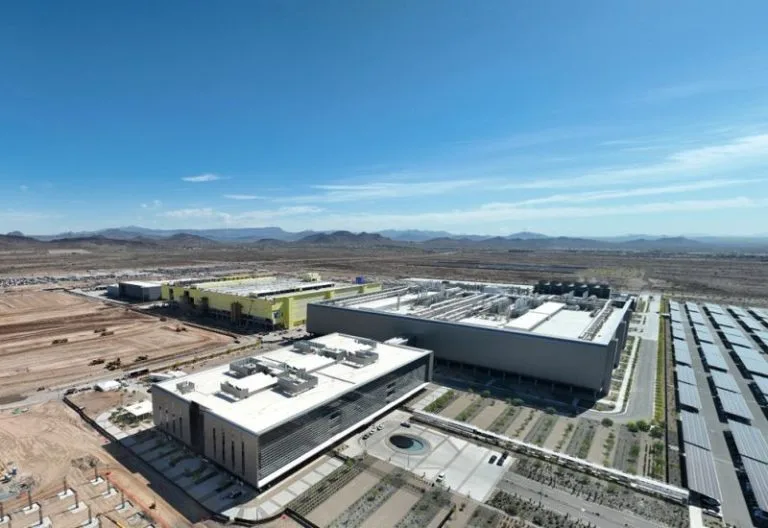
TSMC Plans $265 Billion Investment to Expand U.S. Chip Manufacturing Amid Rising Competition
July 20, 2026
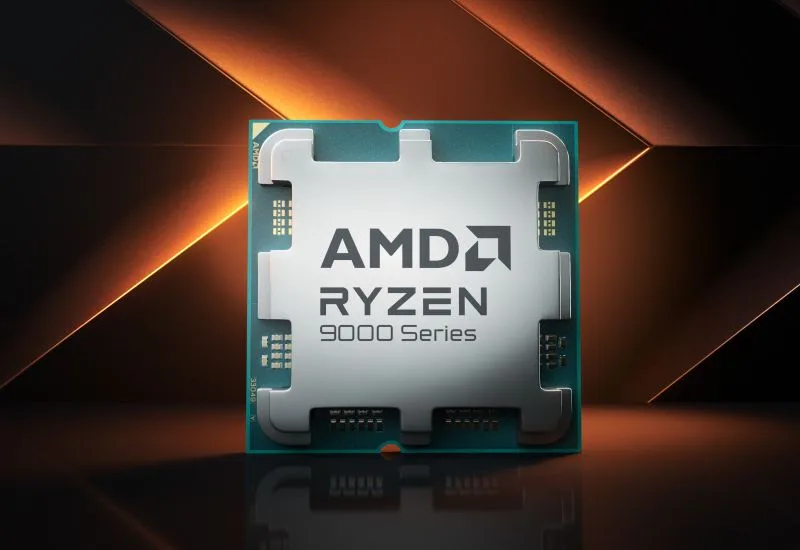
AMD has revealed that despite an overall improvement in its financial outlook, its traditional PC and gaming businesses are anticipated to face revenue declines in the second half of 2026. This forecast was shared during the company’s recent quarterly earnings call, highlighting the impact of the expanding artificial intelligence (AI) sector alongside persistent memory supply challenges.
The semiconductor manufacturer indicated that surging demand for AI-related products is reshaping the industry landscape. While this development drives optimism for AMD’s AI-focused divisions, it concurrently creates headwinds for the firm’s classical segments, specifically those tied to supplying components for personal computers and gaming platforms.
The report pointed to a sizable drop in gaming revenue, projecting a decline exceeding 20% in the latter half of the year. This decrease is attributed in part to ongoing constraints in memory availability, which directly affect product availability and costs in AMD’s core markets.
AMD’s leadership acknowledged that the shift toward AI workloads is accelerating, drawing resources and focus away from traditional PC and gaming channels. The interplay between booming AI demand and supply chain issues results in reduced sales in segments that previously accounted for a significant share of the company’s revenue.
Although specific financial figures and detailed timelines regarding these forecasted decreases were not provided, the company’s outlook signals a notable market transition. The impact is expected to be most pronounced during the second half of 2026, emphasizing the need for AMD and similar industry players to adjust strategies in light of evolving market demands and component availability.
This development reflects broader trends in the semiconductor field, where AI advancements are influencing product focus and manufacturing priorities. Memory shortages, a persistent challenge in the industry, compound these effects by limiting production and supply chain fluidity, affecting sectors reliant on high-volume component shipments, such as PC and gaming.
As AMD navigates these changes, the company remains positioned to capitalize on AI growth areas while contending with declines in its legacy markets. Continued monitoring of supply conditions and shifting consumer demand will be critical to assessing the full impact on AMD’s business throughout 2026 and beyond.
AMD forecasts decreased revenue in its PC and gaming sectors during late 2026 due to AI growth and ongoing memory supply constraints.