Memory Chip Makers Face Potential DRAM Oversupply by 2028 Amid Massive Capacity Expansions
July 20, 2026
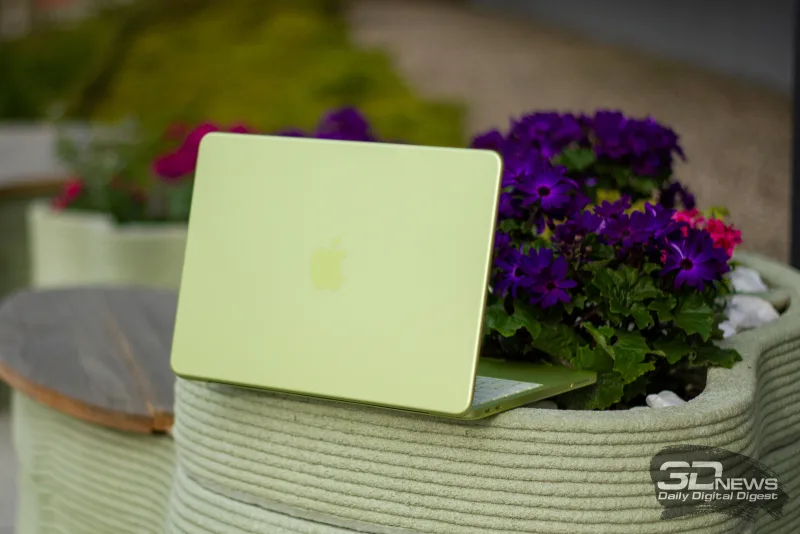
Apple is making a notable entrance into the laptop segment traditionally dominated by Windows-based machines with its newly introduced MacBook Neo. Marking a strategic shift, Apple has equipped this laptop with a processor originally designed for iPhones, distinguishing it from the conventional approaches seen in the category.
Since its launch in the first quarter of 2026, the MacBook Neo has generated significant discussion and curiosity among technology enthusiasts and industry experts alike. This attention largely stems from Apple’s distinctive decision to base a laptop’s core processing unit on mobile architecture, challenging the norm of using processors tailored specifically for computers.
The MacBook Neo represents a convergence of mobile and desktop computing capabilities by deploying Apple’s silicon, typically found in iPhones, within a laptop framework. This move not only signals a blend of power efficiency and performance but also highlights Apple’s broader strategy to unify its hardware ecosystem.
While the details concerning how the iPhone-derived chip adapts to the demands of laptop users remain under scrutiny, early reactions emphasize the device’s surprisingly strong performance. This suggests Apple has optimized the processor architecture to meet the multitasking and application needs of conventional laptop users, potentially offering advantages in battery life and thermal management over traditional laptop CPUs.
Historically, the laptop market has seen limited competition from mobile-focused processors due to differences in processing power and workload expectations. Microsoft’s Windows portfolio and numerous PC manufacturers have largely relied on Intel and AMD processors engineered specifically for laptop and desktop environments. Apple’s foray into this space with the MacBook Neo could prompt a reevaluation of processor design principles across the industry.
The MacBook Neo also reflects Apple’s characteristic approach of integrating hardware and software closely, likely ensuring that macOS and its ecosystem are finely tuned to leverage the efficiencies of the iPhone chip. This synergy could lead to smoother user experiences, particularly for applications that benefit from seamless synchronization across Apple devices.
Despite the considerable buzz, precise information about the MacBook Neo’s pricing, availability, and detailed specifications has not been fully disclosed. However, the attention it has captured underscores Apple’s potential to shake up established hardware markets by leveraging innovations developed for mobile technology.
In summary, the MacBook Neo stands as a testament to Apple’s innovative drive, positioning itself uniquely at the intersection of smartphone and laptop computing. As the product matures and more details emerge, it may well influence the broader conversation about processor efficiency and computing architecture in laptops going forward.
Apple challenges the Windows laptop dominance with MacBook Neo, powered by an iPhone chip, sparking major attention in early 2026.