Memory Chip Makers Face Potential DRAM Oversupply by 2028 Amid Massive Capacity Expansions
July 20, 2026
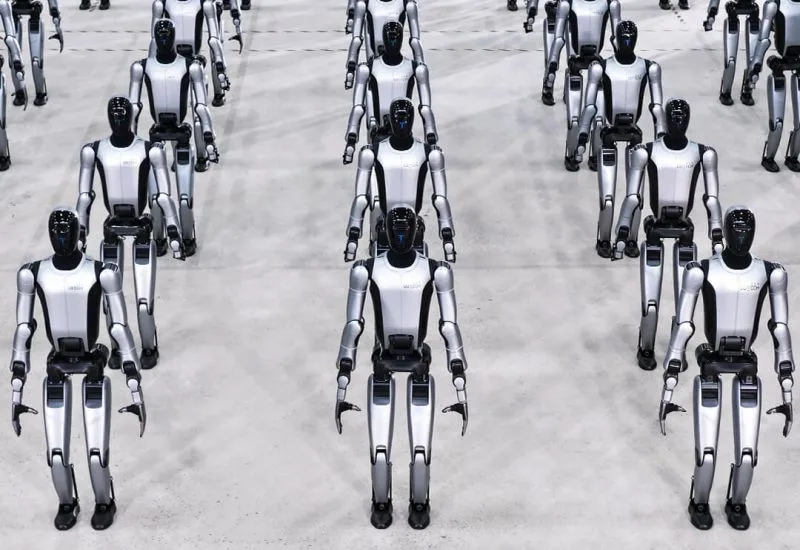
The advent of ChatGPT in late 2022 marked a significant milestone in artificial intelligence, stirring widespread debate over the definition of AI and profoundly impacting technology sectors and the global economy. However, when it comes to the field of humanoid robotics, industry experts predict that a comparable breakthrough moment remains some years away.
Within the robotics community, there is cautious optimism about the potential for rapid development inspired by advancements in AI language models like ChatGPT. Despite this, manufacturers of humanoid robots estimate that a truly transformative shift—one that brings human-like machines closer to everyday reality—may take anywhere from two to ten years to materialize.
ChatGPT’s release demonstrated how AI could be leveraged to create sophisticated conversational agents capable of nuanced human interaction. This has raised expectations for linked progress in humanoid robots, which aim to combine advanced AI capabilities with physical forms that mimic human appearance and behavior. Yet, the integration of these technologies involves overcoming numerous technical and engineering challenges.
Experts highlight that while AI language models excel in processing and generating text, translating those capabilities into a physical robot that can navigate real-world environments, recognize objects, and interact naturally with humans is far more complex. It requires advancements in sensors, motion control, energy efficiency, and real-time processing, among other areas.
The timeline for this progress is influenced by both technical hurdles and market readiness. Manufacturers and developers need time to refine hardware and software designs, optimize performance, and ensure safety standards. Additionally, meaningful adoption of humanoid robots depends on societal acceptance and the development of practical applications that justify their use.
Although precise timelines are uncertain, the consensus acknowledges that a breakthrough akin to ChatGPT’s impact on AI software is on the horizon for humanoid robotics, but it demands patience and continued investment. The next decade is expected to witness incremental innovations that gradually close the gap between current prototypes and versatile, human-like robotic assistants.
In summary, while AI language models have accelerated the pace of certain technological advancements, the emergence of widespread, highly capable humanoid robots remains a medium- to long-term prospect. The robotics industry continues to build toward this goal, recognizing the transformative potential but also the significant developmental journey ahead.
While ChatGPT reshaped AI, experts suggest the next leap in humanoid robotics could still be 2 to 10 years away.