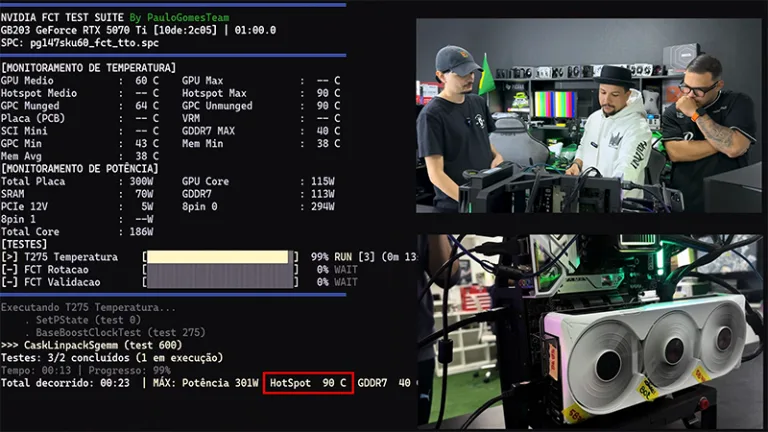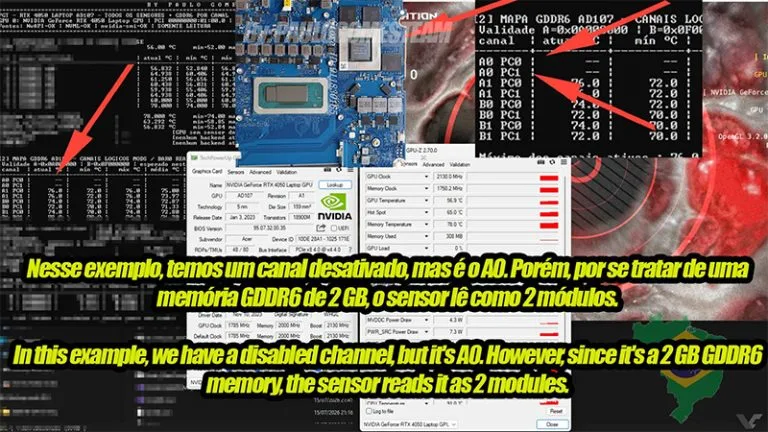
Nvidia GPUs Can Report Individual GDDR6 and GDDR6X Memory Chip Temperatures, Enthusiasts Discover
July 19, 2026
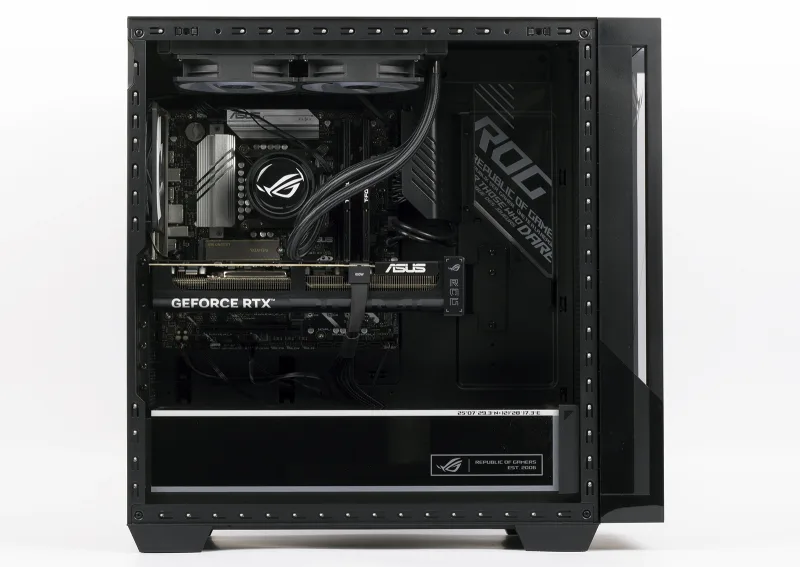
As of early 2026, gamers looking to assemble or upgrade a gaming PC face a challenging market environment where certain key components, particularly memory modules, graphics cards, and storage drives, have seen price increases. In this context, constructing a gaming computer that balances performance and cost-efficiency requires careful selection of parts and compromises in specific areas.
The rising costs of crucial gaming PC components pose obstacles for consumers seeking the latest hardware. Graphics processing units (GPUs), long a main expense in gaming setups, remain costly, largely impacting the overall budget. Similarly, memory (RAM) and storage solutions, essential for gaming performance and system responsiveness, are more expensive than in previous periods.
Under these circumstances, it is increasingly important to identify components where savings can be realized without drastically sacrificing gaming capabilities. This strategic approach involves prioritizing spending on parts that directly enhance gaming experience, such as the GPU, while considering more economical options for other elements within the build.
For memory, options include opting for configurations that strike a balance between performance and price—selecting capacities and speeds that meet gaming requirements but avoid overspending on premium modules. Similarly, storage solutions can be optimized by choosing cost-effective combinations of solid-state drives (SSDs) and hard drives or selecting SSDs that focus on solid performance within a budget-friendly bracket.
Additionally, reviewing motherboard and CPU choices offers potential areas for savings. While these components directly influence overall system performance, some mid-range options provide adequate capabilities for gaming without commanding top-tier prices. This can make it easier to allocate more of the budget toward the GPU and memory, which have a more direct impact on gaming frame rates and load times.
Building or upgrading a gaming PC in this environment entails a strategic evaluation of component costs and performance benefits. Gamers may need to adjust expectations regarding the latest high-end offerings and consider slightly older yet still capable hardware or carefully selected budget parts that meet gaming performance thresholds.
Overall, the early 2026 market encourages a more tactical approach to gaming PC assembly, emphasizing cost-effectiveness and prioritization over outright high-end specifications. This method aims to deliver satisfying gaming experiences despite the ongoing pricing pressures on essential hardware.
With memory, GPUs, and storage prices climbing in early 2026, gamers must explore budget-friendly component choices to build a capable gaming PC.