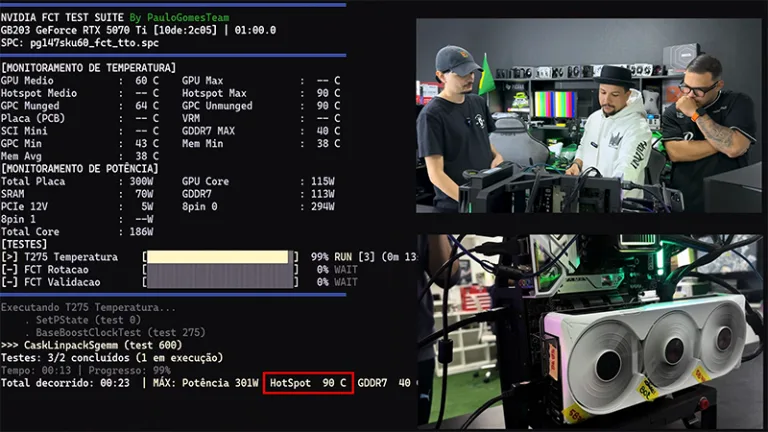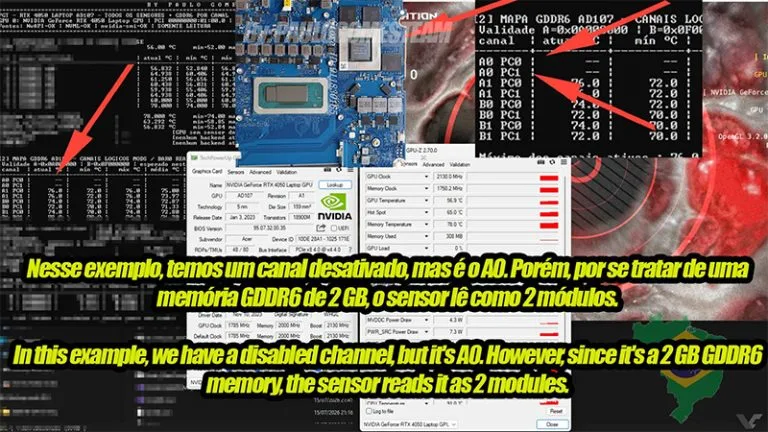
Nvidia GPUs Can Report Individual GDDR6 and GDDR6X Memory Chip Temperatures, Enthusiasts Discover
July 19, 2026

The rapidly growing fusion energy sector is seeing new challenges as both founders and investors navigate complex financial and strategic decisions. After a year marked by the infusion of approximately $1.6 billion in investments into fusion startups, industry stakeholders are confronting emerging tensions about the future direction of these companies.
The recent Fusion Fest event brought to light important questions currently facing the sector, touching on the optimal timing for startups to go public and the allocation of funds toward activities outside their core business areas. While the long-term promise of fusion energy offers hope for transformative impacts on the global energy landscape, the immediate business realities are generating friction between key players.
Founders and early investors typically share a unified vision during early development stages. However, as startups transition towards maturity and significant capital inflows are realized, divergent views naturally surface. The infusion of $1.6 billion in the past year has accelerated growth, but also intensified scrutiny on how resources are managed and when companies should consider public offerings.
One central debate is when fusion startups should pursue initial public offerings (IPOs). The decision carries implications for corporate governance, capital structure, and long-term innovation trajectories. Investors often favor liquidity events to realize returns, while founders may prioritize further technology development and operational milestones before exposing themselves to public market pressures.
Alongside IPO timing, there is discussion about the appropriateness of allocating funds to non-core projects. Some investors express concerns when resources are directed towards ventures or research activities that do not align directly with advancing fusion technologies or commercialization efforts. Such spending raises questions about strategic focus and capital efficiency.
These discussions underscore broader challenges within emerging technology sectors where the path from breakthrough science to scalable commercial solutions is often complex. Aligning diverse stakeholder interests is vital for sustaining momentum and realizing the disruptive potential of fusion energy.
Despite these complexities, the substantial investments flowing into fusion demonstrate strong market confidence in the sector’s promise. However, successful navigation of internal conflicts and strategic clarity will be critical to ensure that fusion energy startups can meet both technological milestones and investor expectations in the coming years.
As fusion energy startups attract billions, tensions arise over IPO timing and spending priorities, revealing cracks in investor-founder alignment.