Memory Chip Makers Face Potential DRAM Oversupply by 2028 Amid Massive Capacity Expansions
July 20, 2026
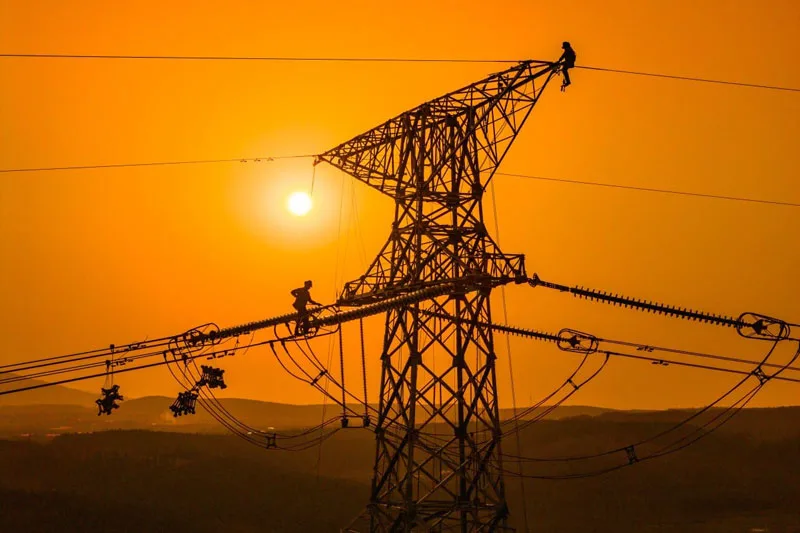
China has encountered significant challenges in integrating its expanding renewable energy capacity into the national grid, leading to substantial losses of generated green power. Analysts report that the amount of solar and wind energy wasted in the first quarter rivals the total energy consumption of an entire developed nation—France.
Despite a rapid increase in solar and wind power output, China has maintained a heavy reliance on coal-fired power plants to stabilize its electricity system. The difficulty lies not in the transmission infrastructure, but in the inability to effectively balance the grid using renewable sources alone. This balancing issue hampers the full utilization of green energy and discourages a significant shift away from fossil fuels.
China’s energy producers face a paradoxical situation: while the country expands renewable generation capacity to address environmental goals and global energy pressures, the immediate need to ensure consistent power supply forces utilities to ramp up coal production. This practice limits progress toward decarbonization despite record-breaking clean energy generation volumes.
The persistence of coal in China’s energy mix reflects structural and technological barriers to renewables integration. Unlike some other large economies that have deployed advanced energy storage and smart grid solutions, China’s current systems struggle to accommodate the intermittent nature of solar and wind resources without relying on conventional power stations as a fallback.
These grid integration challenges contribute to significant curtailment, where renewable electricity is discarded rather than delivered to consumers. The scale of lost renewable energy highlights an urgent need for improvements in energy storage, grid management, and demand response to optimize the use of cleaner power.
China’s situation also underscores broader global energy system issues amid fluctuating geopolitical and market dynamics. While green technologies continue to mature rapidly, the transition away from coal and other fossil fuels will require not only capacity expansion but also systemic reforms in how electricity networks are operated and balanced.
Efforts to resolve these constraints may include investment in battery storage, advanced forecasting, grid upgrades, and regulatory changes aimed at enhancing flexibility and responsiveness. Addressing these factors is essential for China to fully capitalize on its renewable energy investments and meet both domestic and international climate commitments.
The ongoing reliance on coal during a time of record renewable generation intensifies concerns about China’s carbon emissions trajectory. Without effective integration solutions, the country risks undermining environmental progress even as it appears to lead in renewable capacity.
China loses renewable energy equivalent to France’s consumption due to grid issues, relying heavily on coal despite solar and wind output growth.