
Nvidia CEO Jensen Huang to Celebrate Sega’s 30th Anniversary in Japan
July 12, 2026
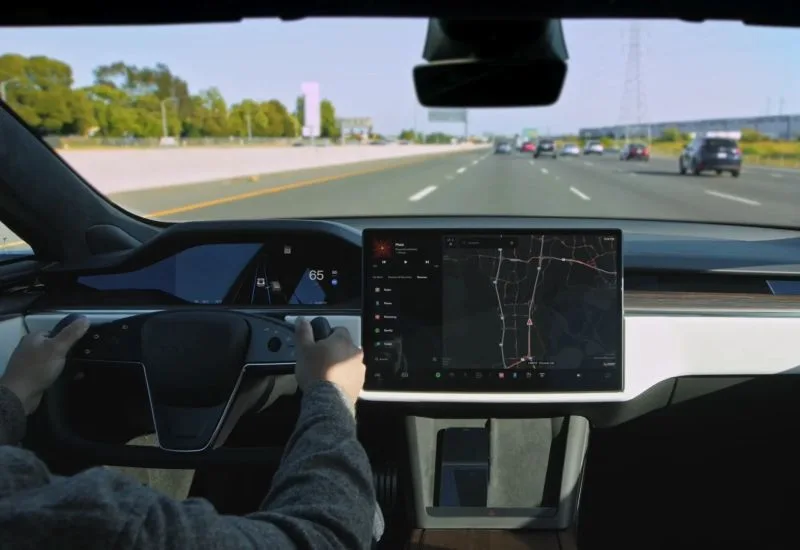
China is taking measures to push back against the trend of removing physical buttons in cars by introducing new regulations that will require automakers to include enough physical controls for certain essential vehicle functions. The rule, set to come into effect in July 2027, aims to reduce reliance on purely touchscreen-based interfaces in vehicles.
Over the past several years, automakers, notably Tesla, have been pioneers in digitalizing vehicle controls, often replacing traditional buttons and switches with touchscreen menus and other digital controls. While this approach modernizes the in-car experience and can streamline cabin design, it has also been criticized for potentially distracting drivers and complicating quick access to important functions.
China’s new requirements stipulate that 19 fundamental vehicle functions must be operable via adequate physical controls rather than exclusively through a touchscreen. Though specific functions have not been enumerated publicly, the intent is clear: automakers must ensure that drivers can quickly and safely access important features without navigating digital menus, which can be more cognitively demanding and increase distraction risk.
The move is a response to growing concerns about safety and usability as cars become more reliant on digital controls. The regulation is designed to strike a balance between innovation and practical driver needs, ensuring that intuitive and tactile access to critical vehicle systems remains available.
This shift in regulatory stance contrasts with the trajectory established by some pioneers of automotive digitalization. Tesla, for instance, has significantly reduced the number of physical buttons in its vehicles, often centralizing control of many features under a single large touchscreen interface. This has included the removal of many traditional switches and even changes to steering wheel designs on some models.
China’s measures will likely influence automotive design not only domestically but globally, as auto manufacturers who supply vehicles to the Chinese market must comply with these standards. The change underscores that despite the push for digital innovation, practical and safety considerations remain paramount in vehicle design.
As automakers prepare to meet the new requirements, the automotive industry may witness a resurgence of physical buttons and switches in vehicle cabins, blending digital and physical interfaces to enhance both safety and user experience.
Details regarding implementation timelines beyond the July 2027 start date or enforcement specifics were not disclosed. Furthermore, the impact of these regulations on vehicle design and consumer preferences will be observed as the new rules take effect.
Starting in 2027, China will require automakers to provide physical controls for 19 essential vehicle functions, restricting touchscreen-only operation.