US Lifts Restrictions on AI Chip Exports to UAE Acknowledging Strategic Partnership
July 12, 2026
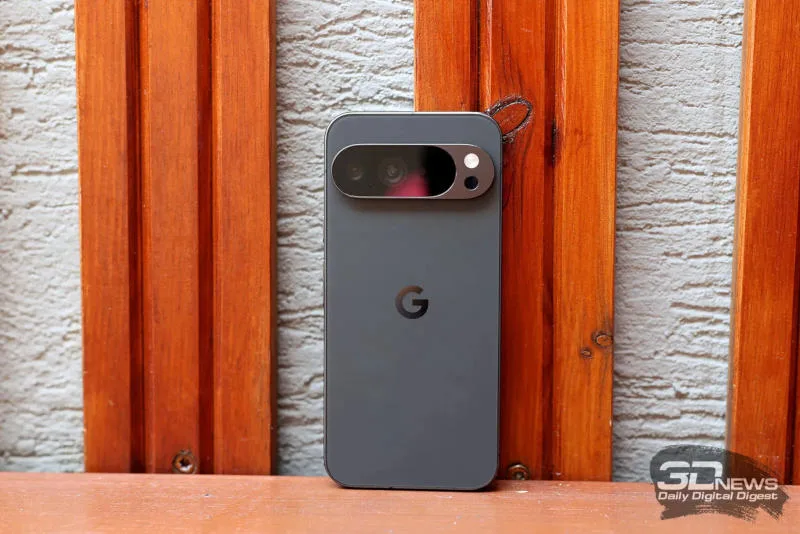
Google’s next generation of Pixel smartphones and smartwatches are reportedly expected to come with higher price tags compared to their predecessors. Industry insiders and market watchers cite ongoing memory supply constraints as a key factor influencing this potential cost adjustment.
Memory components, critical for the performance and capabilities of mobile devices, have seen fluctuating availability that continues to affect the broader consumer electronics market. As manufacturers grapple with these supply chain challenges, pricing strategies may need to be reconsidered to accommodate increased production expenses.
The memory shortage has lingered as a significant obstacle for tech companies worldwide, putting pressure on hardware production costs and delivery timelines. For Google’s Pixel line, which includes both smartphones and smartwatches, the impact is expected to manifest through a rise in retail prices. Such a move aims to offset the higher costs incurred from sourcing necessary memory components.
Although Google has not formally announced new pricing or product details, reports suggest the entire updated Pixel lineup for this year might reflect this price adjustment. This potential increase would mark a departure from previous strategies where Google positioned Pixel devices competitively on price.
The trend aligns with broader industry patterns where memory shortages have influenced various brands to increase prices or reduce production volumes. While consumers may see delayed releases or pricier options, companies argue these steps are essential to maintain product quality and meet demand.
Market analysts remain cautious, noting that pricing shifts can affect consumer purchasing decisions, especially in segments where affordability has been a key competitive advantage. Both smartphone and wearable markets are highly sensitive to changes in cost structures, emphasizing the significance of Google’s upcoming pricing decisions.
As the situation evolves, more clarity is expected regarding how Google will balance supply challenges with market expectations. Consumers and industry observers alike will watch closely to see how this influences the positioning of Pixel devices in a competitive and rapidly changing ecosystem.
In summary, the persistence of memory shortages continues to ripple through the technology sector, exemplified by Google’s anticipated Pixel device pricing adjustments. This development reflects the broader supply chain dynamics shaping the future of consumer electronics in 2026.
Upcoming Google Pixel smartphones and smartwatches could be priced higher than last year’s models due to ongoing memory shortages.