Memory Chip Makers Face Potential DRAM Oversupply by 2028 Amid Massive Capacity Expansions
July 20, 2026
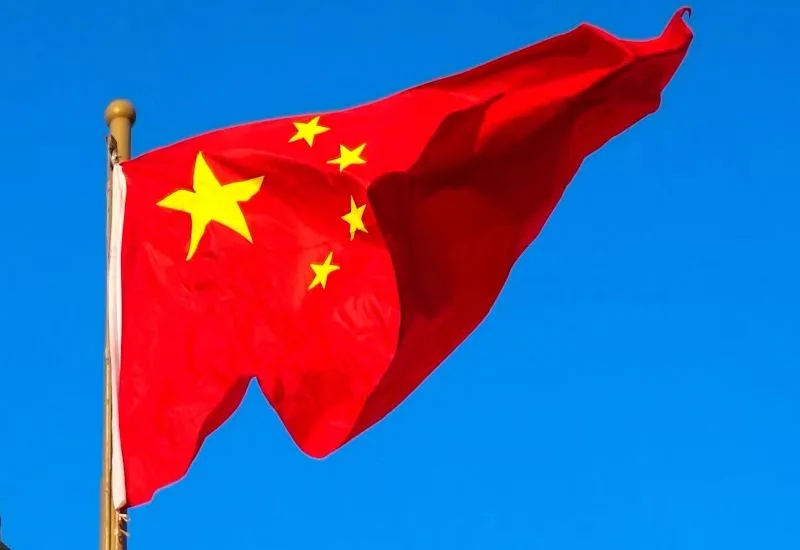
China has introduced new regulatory measures aimed at restricting the outbound movement of artificial intelligence (AI) talent and technologies without government approval. This development comes shortly after the cancellation of a high-profile deal involving an American technology company seeking to acquire a Chinese-backed AI startup.
At the end of April 2026, Chinese authorities nullified the agreement through which a major US-based firm, Meta Platforms, aimed to purchase Manus, an AI startup. Although Manus was officially registered in Singapore and nominally owned by Chinese nationals, the transaction raised concerns about the export of strategic AI capabilities.
In response, Beijing revised its legislation regarding foreign investments in sectors deemed critical to the country’s economic and technological security. These changes were designed to prevent the uncontrolled transfer of advanced AI technologies and specialized talent overseas.
The updated regulatory framework mandates that companies and individuals must obtain authorization from Chinese government agencies before engaging in activities that involve the export of emerging technologies or the relocation of AI professionals abroad. This move reflects China’s increasing focus on safeguarding its strategic industries and technological innovations amid growing international competition.
Experts view these steps as part of a broader effort by Beijing to assert tighter control over the development and dissemination of cutting-edge AI research and capabilities. The restrictions are also seen as an attempt to balance the government’s ambitions for technological self-sufficiency with the risks associated with the outflow of knowledge and human capital.
While details regarding the implementation and enforcement of the new regulations remain limited, the ruling signals a more cautious stance on cross-border transactions involving AI assets. It may impact future foreign acquisitions of Chinese-linked technology firms and could encourage startups and corporations to reassess their international strategies.
This policy adjustment comes amid global concerns about the dual-use nature of AI technologies and their implications for national security. Countries worldwide have been reevaluating their approaches to technology transfer to maintain competitive advantages and protect vital infrastructure.
Ultimately, China’s regulatory update reflects its intention to play a dominant role in the AI sector while tightly managing the flow of talent and intellectual property beyond its borders.
China updates regulations restricting AI talent and technology exports, following a halted US acquisition of a Chinese-backed AI startup.