Memory Chip Makers Face Potential DRAM Oversupply by 2028 Amid Massive Capacity Expansions
July 20, 2026
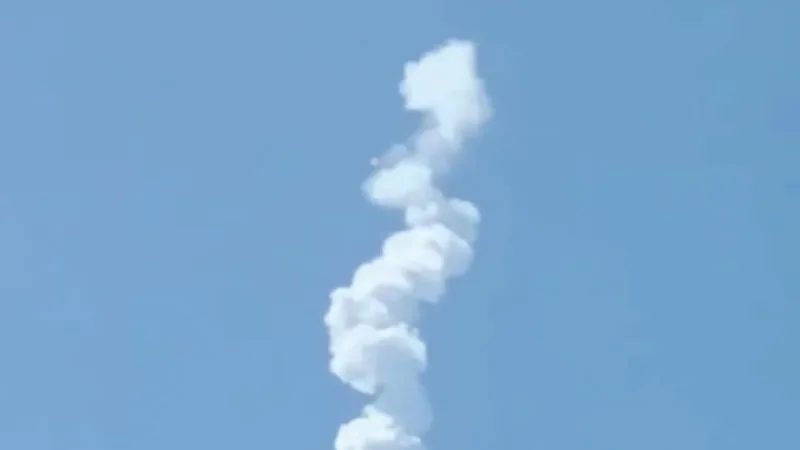
On April 3, 2026, the experimental Chinese reusable rocket Tianlong-3, developed by Space Pioneer, was launched from the Jiuquan Satellite Launch Center in the Gobi Desert. This launch marked a significant step for Chinese aerospace, as Tianlong-3 is considered a close counterpart to SpaceX’s Falcon 9 rocket, both featuring reusable launch vehicle technology designed to reduce costs and improve turnaround times.
The mission, however, encountered a critical anomaly mid-flight, which resulted in the destruction of the rocket. The failure abruptly ended the flight, preventing the completion of its objectives. Details about the exact cause of the incident have not been publicly disclosed, but the loss marks a setback for the Chinese private space sector’s ambitions.
One of the most noteworthy aspects setting Tianlong-3 apart from other reusable rockets is its innovative use of rocket fuel derived from coal. Unlike traditional rocket kerosene, which is typically refined from petroleum, Space Pioneer has developed a process to produce kerosene from standard bituminous coal. This alternative fuel source offers a potentially significant advantage given China’s vast coal reserves, potentially reducing dependence on imported petroleum-based fuels for space launches.
Coal-to-kerosene conversion involves complex chemical processing techniques to create a synthetic hydrocarbon-based fuel suitable for rocket engines. While the performance characteristics of this fuel variant have not been publicly detailed, the adaptation of coal-derived kerosene underlines an attempt to innovate within the constraints of domestic energy resources.
Space Pioneer, a startup company in China’s growing private space sector, has actively positioned itself as a key competitor by investing in reusable rocket technologies. The Tianlong-3 rocket is a notable example in this context, aiming to leverage reusable booster stages to bring down launch costs and increase launch frequency, mirroring the conceptual approach pioneered by SpaceX.
Despite today’s setback, the mission highlights the rapidly evolving landscape of commercial spaceflight in China, where private companies are increasingly contributing to national aerospace objectives alongside government programs. The incident also serves as a reminder of the technical challenges involved in developing reliable reusable rocket technology and incorporating unconventional fuel sources.
The Tianlong-3 flight failure is a significant event for Chinese aerospace, but it also represents a natural step in the iterative development of reusable launch vehicles. Future missions will be closely watched for how Space Pioneer adapts its technology and responds to operational challenges as the sector advances.
China’s Tianlong-3 reusable rocket failed during flight, notable for running on kerosene derived from coal.