Honor Launches X7e Smartphone in Russia Featuring 7200mAh Battery and AI Shortcut Button
July 21, 2026
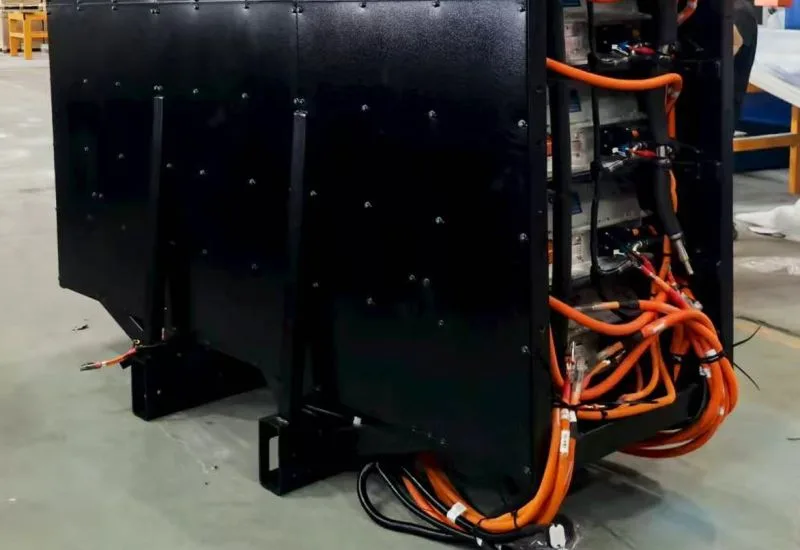
Chinese researchers have announced a significant advancement in battery technology with the development of sodium-based batteries that remain stable and safe even when exposed to temperatures as high as 300 degrees Celsius. This breakthrough tackles one of the major challenges associated with traditional traction batteries, which often rely on liquid electrolytes prone to hazardous thermal reactions.
Conventional traction batteries, widely used in electric vehicles and other applications, typically incorporate liquid electrolytes that can trigger uncontrolled chemical reactions when subjected to extreme heat or damage. These reactions may lead to rapid temperature increases, fires, or even explosions, raising serious safety concerns for users and manufacturers alike.
The new sodium battery design developed in China addresses these risks by using a chemistry that inherently suppresses the propagation of fire and heat release. Even when the battery cells are heated to temperatures reaching 300°C, the research indicates that these batteries do not contribute to the spread of flames, significantly enhancing operational safety margins.
Sodium as a battery material offers several potential advantages over more common lithium-ion technologies, including cost-effectiveness and the abundance of raw materials. While prior efforts have explored sodium-based energy storage solutions, the added thermal stability demonstrated in this work could mark a key step toward wider adoption, particularly in sectors where safety is paramount.
The innovation is especially relevant given the ongoing demand for safer, more reliable batteries in the growing electric vehicle market and other high-capacity energy storage applications. By mitigating fire risks without compromising the energy storage capabilities, these sodium batteries could influence future standards for battery manufacturing and deployment.
Details regarding commercial availability, production scalability, and further performance metrics were not disclosed at this stage. However, the development highlights China’s continued investment in next-generation battery technologies aimed at overcoming existing limitations in safety and sustainability.
As battery technologies evolve, addressing hazards related to thermal runaway and flammability remains a priority. The ability to engineer batteries that maintain structural and chemical integrity at elevated temperatures could significantly reduce incident rates and improve consumer confidence in electric-powered systems worldwide.
Chinese scientists have created sodium-based batteries that resist fire hazards even when heated to 300°C, addressing safety concerns in battery technology.