Nvidia Partners with SoftBank on $500 Billion Data Center Project in Ohio to Support AI Infrastructure
July 27, 2026
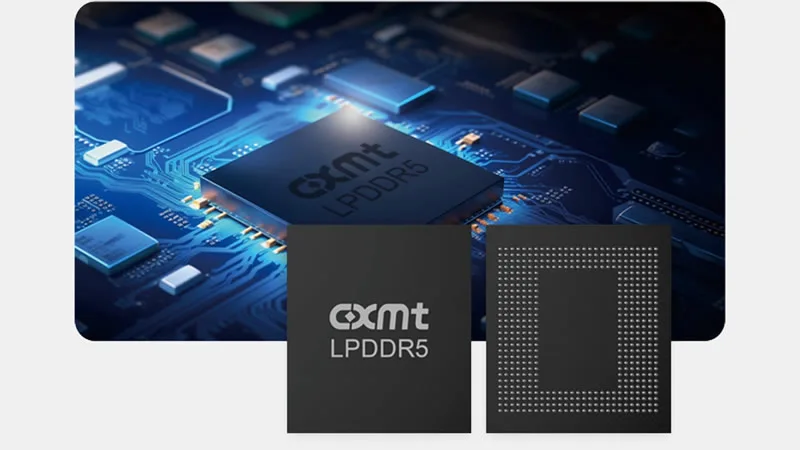
The introduction of DDR5 memory modules equipped with CXMT-manufactured chips has yet to create significant pricing disruption in China’s memory market. Industry observers had anticipated that the arrival of CXMT’s offerings would lower costs due to increased competition; however, the new modules remain priced comparably to those featuring Samsung and SK Hynix components.
As the memory market sees more manufacturers entering the DDR5 segment, pricing dynamics are expected to shift. CXMT, a Chinese semiconductor producer, has recently started supplying DDR5 memory chips, which has expanded the selection available to consumers and system builders. Despite this, there has been little to no reduction in retail prices for modules equipped with CXMT chips relative to long-established brands.
Reports indicate that in some cases, DDR5 modules using CXMT chips are priced on par with, or occasionally higher than, comparable models from Samsung and SK Hynix. This trend suggests that factors beyond chip supplier—such as brand recognition, supply chain conditions, and manufacturing costs—continue to influence pricing.
The expectation that CXMT’s entrance would drive down prices by providing a more affordable alternative has not yet materialized widely. The competitive landscape remains dominated by well-known brands whose products command similar price points. Furthermore, consumer confidence and performance perceptions in memory modules may favor established chipmakers, potentially influencing pricing strategies.
While the presence of CXMT chips introduces greater variety in DDR5 memory offerings, the impact on the broader market price levels appears to be limited. Market watchers will continue to assess whether increased adoption of CXMT modules can shift pricing trends in the future as production scales and technology matures.
Overall, the emergence of CXMT in the DDR5 space contributes to diversification within the memory sector, but so far, it has not resulted in the anticipated downward pressure on module prices in China. The memory industry remains complex, with pricing driven by multiple variables beyond the mere addition of new chip suppliers.
New DDR5 modules featuring CXMT chips in China offer little to no price savings compared to Samsung and SK Hynix counterparts.