Memory Chip Makers Face Potential DRAM Oversupply by 2028 Amid Massive Capacity Expansions
July 20, 2026
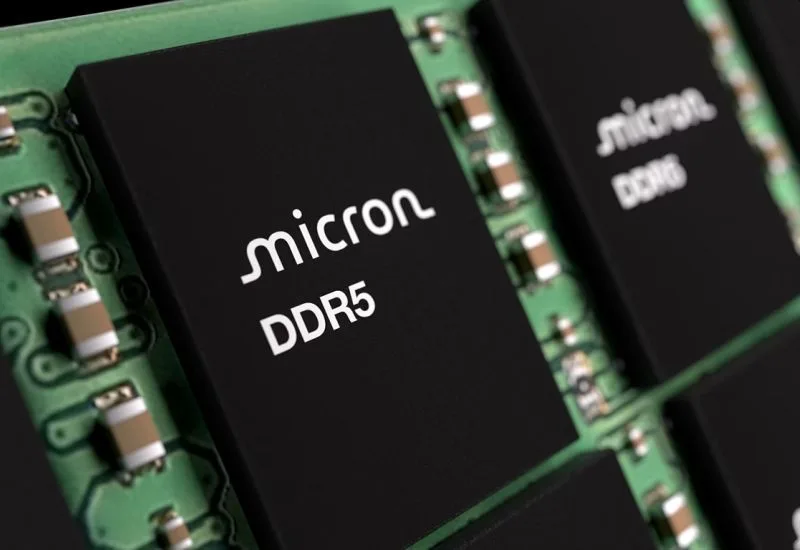
Over the past half year, the cost of DDR5 memory kits has experienced a significant escalation, soaring by approximately five times. This steep increase has led to a scenario where a 64GB DDR5 kit now costs more than an entire Apple MacBook Air laptop. The price growth has drawn attention from tech news outlets, which have opted to highlight this trend with tangible comparisons to popular consumer products rather than relying solely on standard market charts.
While analytic firms continue to track and graph the fluctuations of memory prices on various exchanges, the dramatic rise has been made more relatable by illustrating the gap in cost between these high-capacity memory modules and widely recognized consumer electronics. This approach underscores the impact that rising component prices are having on system builders and end users who require larger memory capacities.
DDR5 has emerged as the next-generation standard for computer memory, offering increased bandwidth and efficiency over previous DDR4 modules. However, these technical advancements have been accompanied by unpredictable market dynamics, contributing to sharp price hikes. Factors such as production limitations, supply chain disruptions, and heightened demand for high-performance computing solutions have fueled the surge.
The escalation has been particularly pronounced over the recent six-month period, culminating in a situation that has surprised many in the tech community. To put it into perspective, consumers now face purchasing 64GB of DDR5 memory for a cost that rivals or surpasses the price of a complete MacBook Air system, known for its balance of performance and portability.
This development has significant implications for both individual consumers seeking to upgrade their PCs and enterprise clients investing in new hardware. The higher memory prices could contribute to increased overall system costs, potentially influencing buying decisions and delaying upgrade cycles. In addition, it highlights ongoing volatility in component markets that manufacturers and buyers alike must navigate.
Despite these challenges, the DDR5 platform continues to advance within the industry, driven by demand for more powerful computing capabilities in areas such as gaming, content creation, and professional workloads. Observers will be watching closely to see how prices adjust in the coming months and whether production and supply conditions stabilize.
For now, the striking comparison to the cost of devices like the MacBook Air offers a clear illustration of the market shifts affecting memory pricing. Consumers and industry stakeholders should remain informed about these trends as they plan technology investments moving forward.
DDR5 memory modules have seen a dramatic price increase in six months, with 64GB kits now costing more than a MacBook Air.