Memory Chip Makers Face Potential DRAM Oversupply by 2028 Amid Massive Capacity Expansions
July 20, 2026
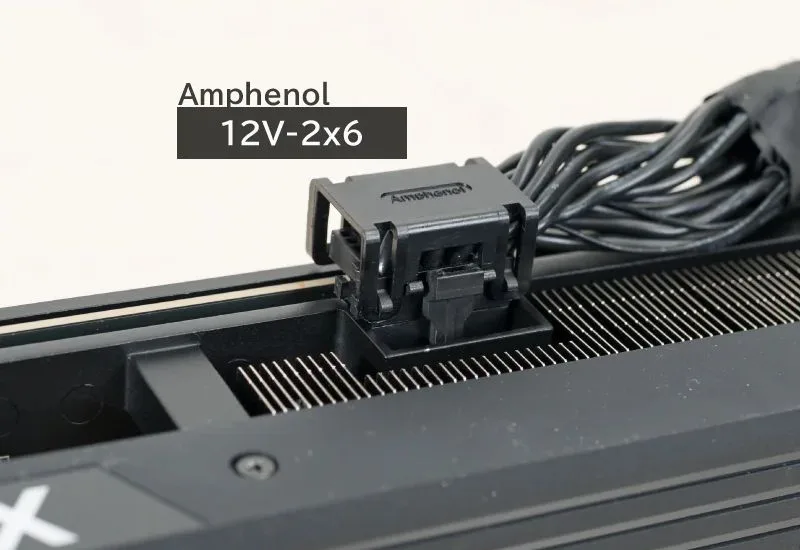
As Nvidia’s flagship graphics cards gained attention for their performance, their 16-pin auxiliary power connectors also became notorious among enthusiasts due to reliability concerns. The proprietary design of this connector has been linked to overheating issues, with some users reporting cases where poor contact caused the connector to reach temperatures high enough to deform or melt.
In response to these challenges, Dell has introduced a notably pragmatic solution to mitigate risks associated with the 16-pin power connector. Rather than redesigning the connector itself or altering its electrical specifications, Dell chose to mechanically affix the connector rigidly to the graphics card housing. This engineering decision aims to maintain a steadfast connection between the power cable and the GPU, reducing the chance of loose contacts that can lead to heat buildup.
By securing the connector firmly to the chassis, Dell intends to enhance the physical stability of this critical junction point, decreasing movement and vibration that may otherwise deteriorate electrical contact quality. This solution effectively minimizes the key factor contributing to overheating—the imperfect or intermittent mating of the power connector, which increases resistance and thus heat generation.
This method is a departure from the more common approach of revising component design or focusing solely on thermal improvements. Instead, it addresses the core mechanical issues that have driven previous failures, demonstrating an engineering mindset centered on robust and durable assembly.
The fix highlights a growing focus among hardware manufacturers on the longevity and safety of power delivery systems in high-performance computer components. Overheating and connector failure have not only embarrassed manufacturers but also posed safety concerns for end users, reinforcing the importance of reliable electrical connections under demanding load conditions.
While detailed technical specifications and deployment plans for Dell’s mechanically secured connectors have not been disclosed, this move signifies a commitment to enhancing the reliability of systems featuring Nvidia’s latest GPU architectures. Industry observers will be watching to see if this strategy gains traction among other manufacturers facing similar issues with the 16-pin power interface.
Overall, Dell’s intervention marks a noteworthy step in addressing a niche but impactful hardware problem, underscoring the increasing complexity and engineering challenges in modern PC component design.
Dell addresses overheating concerns of Nvidia’s 16-pin GPU power connector by mechanically securing it to the graphics card chassis.