App Store Sees Surge in New Apps Amid Growth of No-Code Platforms in Early 2026
July 21, 2026
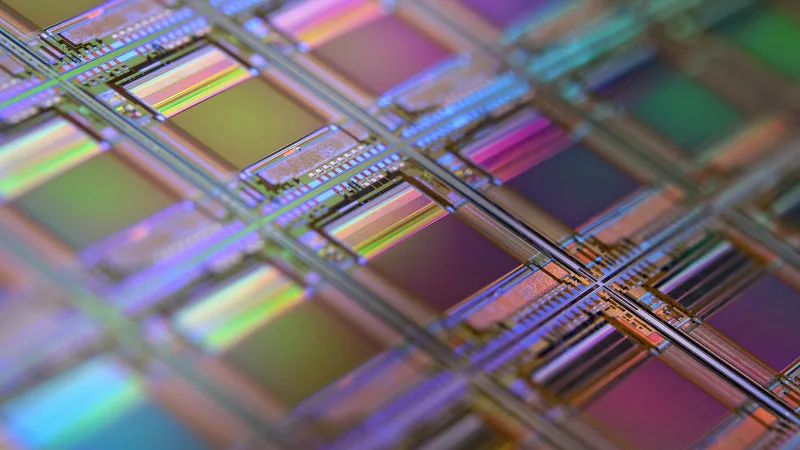
The global demand for DRAM memory is expected to outpace supply through 2027, driven by ongoing production challenges and shifting industry priorities. Leading memory manufacturers Samsung Electronics, SK Hynix, and Micron Technology are expanding their DRAM production capabilities, but their combined output is projected to cover only about 60 percent of the worldwide demand for this critical component.
Since the onset of the shortage in the fall of 2025, the price of DRAM has surged, increasing by approximately 90 percent in the first quarter of 2026. This substantial rise highlights the widening gap between supply and demand across various technology sectors reliant on DRAM.
One major factor contributing to the ongoing shortage is the delay in bringing new manufacturing facilities online. These delays have hindered the ability of manufacturers to scale up production at the pace required to meet global needs, particularly amid rising consumption in smartphone and automotive industries.
At the same time, Samsung, SK Hynix, and Micron have strategically concentrated significant portions of their production efforts on high-bandwidth memory (HBM) modules. HBM plays a crucial role in powering artificial intelligence (AI) chips, a growing segment with intense demand for specialized memory solutions. This focus on HBM production further limits the volume of traditional DRAM available for other applications.
The impact of this shortage extends to multiple sectors such as smartphone manufacturing and automotive production, both of which rely heavily on DRAM for their devices’ performance and efficiency. These industries may continue to experience supply constraints and elevated costs as the memory shortage persists.
Despite ongoing investments and efforts to enhance production capacity, the combination of delayed new fabs and shifting product focus in the memory market signals a prolonged timeline before the DRAM supply-demand imbalance can be alleviated. Observers anticipate that the shortage will continue to affect pricing and availability until at least 2027.
The evolving memory landscape underscores the complexity of balancing production capabilities with rapidly changing market requirements, especially as AI technologies reshape priorities in semiconductor manufacturing.
Samsung, SK Hynix, and Micron ramp up DRAM production but will meet only 60% of global demand, prolonging shortages through 2027.