Vivo X300 E Launches Soon with Zeiss Optics and Massive 7200mAh Battery
July 20, 2026

The global technology sector continues to face significant disruptions, with the shortage of central processing units (CPUs) causing more pronounced supply chain issues than the memory chip market. Industry insiders report that the limited availability of processors is creating a bottleneck, contrasting with the memory segment where scarcity exists but higher prices allow for procurement.
According to sources within the computer industry, cited by the technology news platform DigiTimes, the scarcity of CPUs has a more severe impact on production and distribution networks than the current memory chip shortage. While memory shortages have resulted in elevated prices, memory components remain on the market and can be sourced by manufacturers willing to pay a premium. On the other hand, processors are often completely out of stock, making it difficult for manufacturers to secure essential components for assembling computers and other electronic devices.
This limited supply of central processors is largely restricting the output capabilities across various technology segments, as processors are fundamental to a wide range of applications from personal computing to servers. The depletion in processor availability creates a more acute challenge than the memory shortage, which industry players can somewhat mitigate by accepting higher procurement costs.
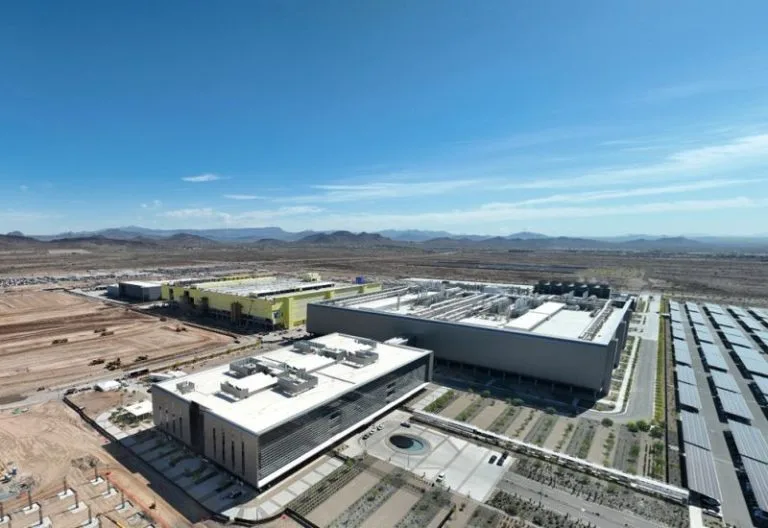
One pivotal factor influencing the availability and future supply of processors is tied to the manufacturing yield rates of advanced technology nodes. In particular, Intel’s progression with its 18A (angstrom) process technology will play a critical role in determining how quickly the company can ramp up production of CPUs to meet market demand. The success of this technology node in achieving high production yields will directly affect Intel’s ability to alleviate some of the shortage pressures currently experienced in the processor market.
While the 18A technology represents a step forward in semiconductor manufacturing for Intel, details regarding production volumes, timelines, and how this will translate to easing supply constraints remain limited. The ongoing challenges highlight the complexities facing semiconductor manufacturing, where advanced fabrication processes are necessary but fraught with development hurdles.
The processor shortage underscores broader challenges within the semiconductor supply chain that have persisted over recent years. Factors including global demand spikes, production capacity limitations, and material sourcing complications have all contributed to unstable supply dynamics. Compared to memory chips, which at least remain accessible albeit costly, CPUs are becoming the more critical pinch point for manufacturers and consumers alike.
As the technology sector navigates these supply issues, companies are increasingly focused on optimizing production efficiency and diversifying supply partnerships. However, market participants caution that resolving the processor shortage will require time and coordinated efforts across the semiconductor manufacturing ecosystem, especially to leverage emerging fabrication technologies effectively.
The disparities in supply chain impact between processors and memory highlight how essential chip availability is to the overall health of the electronics industry. Until processor production can catch up with demand—potentially through improved yields on new technologies like Intel’s 18A—the technology market is expected to continue facing constraints that echo throughout the production and distribution of computing devices.
Shortages in central processing units are causing greater disruptions to supply chains compared to memory chips, with limited availability driving the issue.