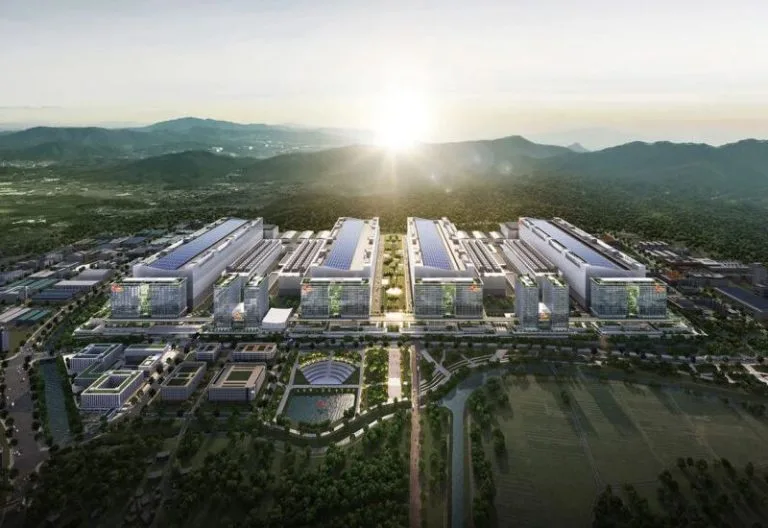
Memory Chip Makers Face Potential DRAM Oversupply by 2028 Amid Massive Capacity Expansions
July 20, 2026
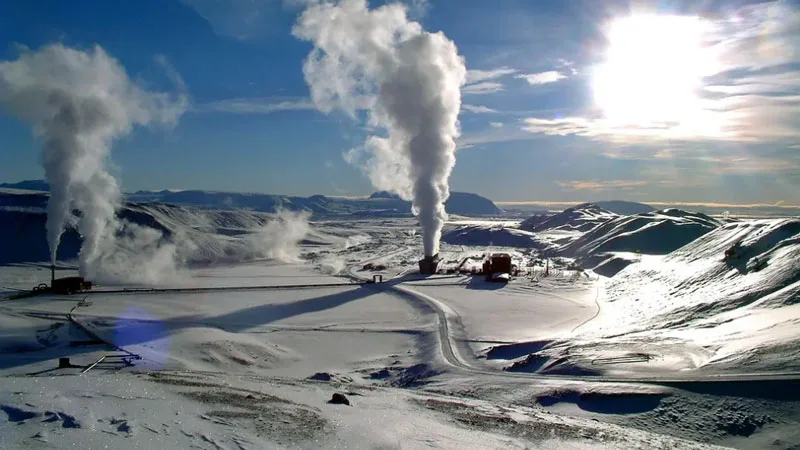
Researchers from Stanford University have released a new study forecasting a promising future for enhanced geothermal energy systems (EGS), which could potentially outcompete traditional nuclear power, fossil fuels, and other renewable energy technologies in terms of cost and scalability.
Traditional geothermal energy production has relied predominantly on naturally occurring geothermal reservoirs found mostly in seismically active regions where heat sources break the Earth’s surface. This dependency on specific geological conditions has limited the widespread adoption of geothermal power despite its benefits as a steady and clean energy source.
The Stanford research outlines how enhanced geothermal systems—an approach that involves drilling wells and injecting water deep into the Earth to absorb heat and generate electricity—can decouple geothermal energy production from the requirement of natural geothermal reservoirs. This technique could enable geothermal energy generation in a much broader range of geological settings, significantly expanding the potential for geothermal power.
By effectively engineering subsurface heat extraction, EGS technologies could provide a consistent and reliable power supply that can compete economically with other energy sources. Current energy systems often struggle with intermittency and variable output, challenges that geothermal power naturally overcomes due to its continuous heat source.
Moreover, the researchers argue that the scalability and geography-independent nature of enhanced geothermal could make it a more attractive investment than conventional nuclear energy, which faces regulatory, safety, and waste disposal challenges, as well as fossil fuels that continue to raise environmental concerns due to greenhouse gas emissions.
The study indicates that this shift could mark a turning point in the global energy landscape, where the cost advantages and reliability of EGS might accelerate the transition towards more sustainable energy systems. Although the exact financial and implementation details are still being refined, the evidence points toward enhanced geothermal systems as a competitive alternative to the existing mix of energy technologies.
As the world continues to seek cleaner and more affordable energy solutions, the development and deployment of enhanced geothermal technologies present a potentially transformative pathway. While the technology requires further development and field validation, the prospects for making geothermal energy accessible beyond the traditional hotspot areas could have significant implications for energy policy and infrastructure worldwide.
Stanford scientists highlight the potential of enhanced geothermal systems to deliver more cost-effective energy than current sources.