
Acer Nitro Intel Arc B570 OC Review: Affordable Gaming Graphics Card Tested
July 14, 2026
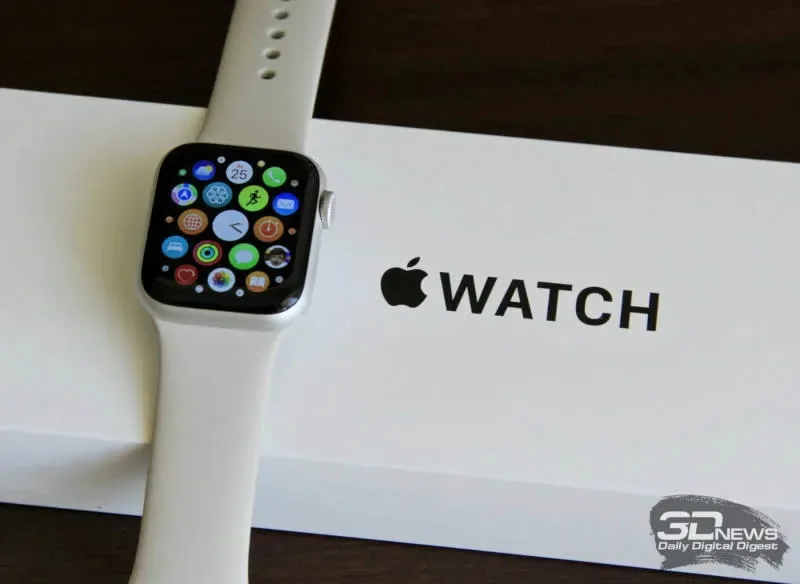
The European Commission has revised its battery regulation to exempt specific categories of wearable devices, including the Apple Watch, from the requirement that manufacturers must provide user-replaceable batteries. This regulatory adjustment reflects the Commission’s evolving approach toward balancing consumer convenience, product design, and environmental considerations.
Under the updated rules, certain wearable gadgets no longer need to feature batteries that end-users can remove or replace independently. This marks a notable shift in the European Union’s previous emphasis on mandating user-accessible batteries in consumer electronics to promote sustainability and ease of repair.
The exemption principally covers products such as smartwatches and other compact wearable devices that are sealed for technical or safety reasons. For instance, the Apple Watch, a flagship smartwatch product, is specifically included in the range of devices benefiting from this regulatory change.
While the prior regulations required manufacturers to facilitate battery replacement by consumers, the new framework acknowledges the complexities and engineering challenges in smaller form-factor devices. This acknowledges that the integration of sealed batteries in wearables often contributes to device durability, water resistance, and overall performance.
The European Commission has not detailed further specifics about which additional devices may qualify for the exemption, nor has it provided updated guidance on end-of-life handling or recycling processes for these products. However, this modification indicates an intent to tailor regulatory measures more closely to device categories and their inherent technical constraints.
Industry stakeholders have often argued that mandatory user-replaceable batteries can sometimes compromise the design and functionality of wearables. By easing this requirement for certain devices, manufacturers may have greater flexibility in their designs, potentially fostering innovation in compact wearable technology.
Nonetheless, this development has drawn attention to the trade-offs between product longevity, repairability, and device performance in an expanding market segment. Environmental advocates continue to emphasize the importance of sustainable product lifecycles, including effective battery recycling and responsible disposal programs.
As wearable devices become more ubiquitous, regulatory frameworks will likely adapt further to strike a balance that supports both consumer interests and environmental objectives. The recent amendment by the European Commission is a significant step in that ongoing process within the context of battery regulations.
The European Commission updates battery rules, exempting certain wearables like Apple Watch from mandatory user-replaceable batteries.