Steam’s User Base Surpasses PlayStation by 50% Amid Shifts in Sony’s Gaming Strategy
July 12, 2026
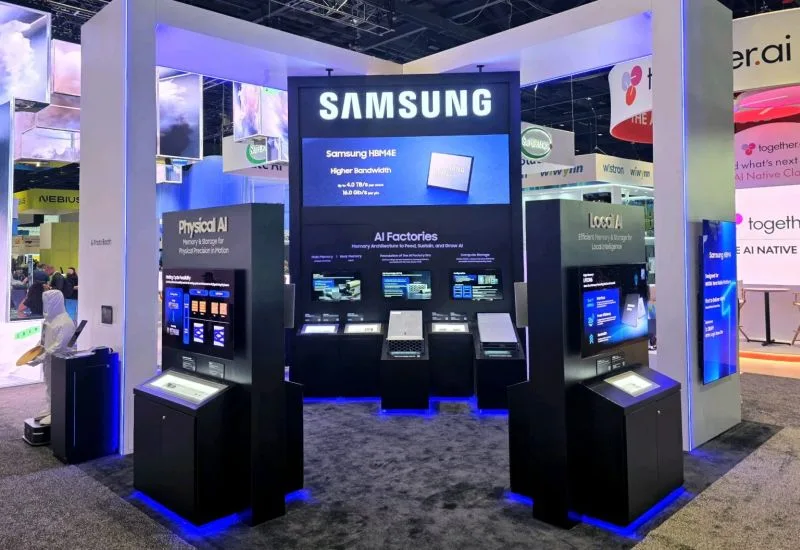
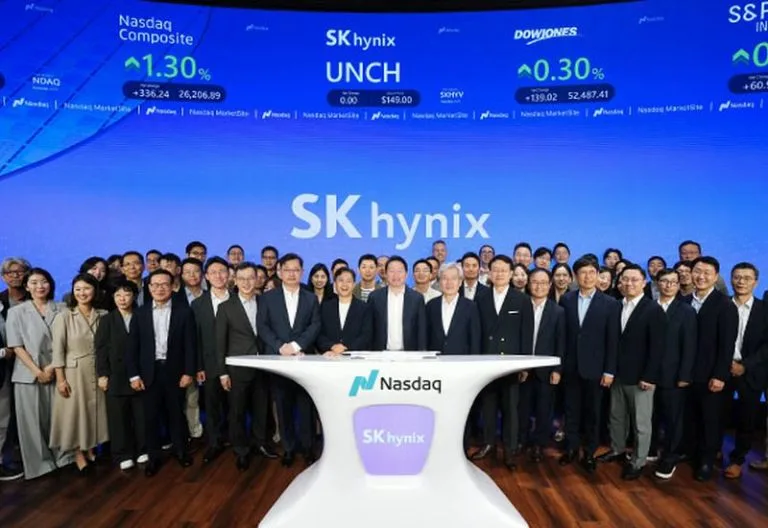
South Korean semiconductor giants SK hynix and Samsung Electronics recently announced plans to construct four new memory chip manufacturing and packaging plants in the southwestern region of the country. This ambitious initiative, supported by government officials, aims to expand the nation’s footprint in the global memory market over the coming years.
Despite the optimism surrounding these developments, the project has drawn critical feedback from industry experts both within South Korea and internationally. Analysts have raised questions about the practicality and strategic necessity of such sizable investments considering current market dynamics.
The plan involves an extensive deployment of capital into state-of-the-art production facilities dedicated to memory semiconductor fabrication and packaging. However, critics point out that the combination of high costs, extended construction timelines, and geographical location might undermine the benefits anticipated from the expansion.
Experts argue that the factories’ placement in a relatively remote southwestern area could present logistical challenges affecting supply chain efficiency and workforce accessibility. Moreover, they highlight that the $multi-billion scale investment requires careful consideration against evolving demand trends and competitive pressures in the global semiconductor landscape.
While the semiconductor industry remains vital to many aspects of modern technology, fluctuations in memory chip demand and pricing volatility call for strategic prudence. Some analysts suggest that incremental upgrades or diversified manufacturing strategies could present lower risk compared to a concentrated megaproject.
Both Samsung and SK hynix have positioned themselves as leaders in memory technology, supplying critical components for consumer electronics, data centers, and emerging AI applications. As such, their decisions have significant implications for supply chains worldwide. Yet the debate highlights the delicate balance companies must maintain between aggressive capacity growth and adaptive market responsiveness.
The South Korean government’s involvement, providing support to bolster domestic semiconductor production, reflects the sector’s importance to the national economy and technology ecosystem. Still, the long-term impact of these factory projects remains to be seen amid ongoing industry uncertainties.
Details regarding exact timelines, financial breakdowns, and specific technological capabilities of the upcoming plants have not been comprehensively shared, leaving room for further observation as the situation develops. The semiconductor sector and technology observers will be closely monitoring how these efforts unfold and influence regional and global markets.
Industry analysts express concerns over SK hynix and Samsung’s multi-billion dollar memory chip plant projects in South Korea.