
Memory Chip Makers Face Potential DRAM Oversupply by 2028 Amid Massive Capacity Expansions
July 20, 2026
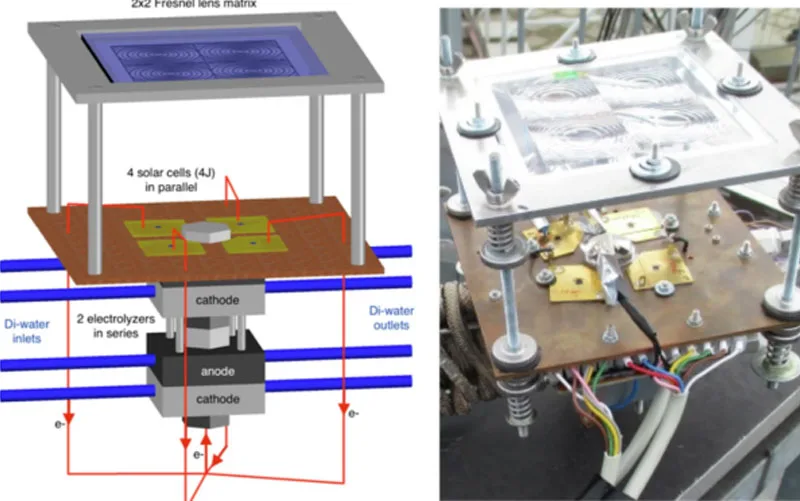
Researchers at the Fraunhofer Institute for Solar Energy Systems in Germany have announced a breakthrough in the efficiency of converting solar energy directly into hydrogen. Their latest achievement demonstrates a conversion efficiency rate of 31.3%, setting a new global benchmark for this technology.
This milestone indicates that nearly one-third of the solar energy striking the conversion system is transformed into chemical energy stored in hydrogen fuel. Producing hydrogen via sunlight is considered a promising sustainable alternative to fossil fuels due to its potential for clean energy storage and versatile usage.
The process involves capturing sunlight and using it to split water molecules, generating hydrogen gas that can be stored and utilized in fuel cells or other applications. Achieving higher efficiency in this conversion step is crucial for making hydrogen a more viable and cost-effective energy source.
The Fraunhofer team’s success reflects ongoing progress in solar fuel technologies, aimed at scaling clean energy production. Their record efficiency surpasses previous limits, highlighting advancements in materials, system design, and photoelectrochemical processes.
These developments contribute to the broader goals of reducing carbon emissions and increasing reliance on renewable energy carriers. Direct solar-to-hydrogen conversion offers a relatively straightforward pathway toward producing green hydrogen without intermediates or electric grid dependencies.
While details such as commercial deployment timelines and cost considerations remain to be disclosed, this breakthrough represents a significant step forward in renewable energy research. It could accelerate the transition to sustainable hydrogen fuel solutions across various sectors.
Fraunhofer Institute scientists achieved a 31.3% efficiency in converting solar energy into hydrogen, setting a new world record.