Memory Chip Makers Face Potential DRAM Oversupply by 2028 Amid Massive Capacity Expansions
July 20, 2026
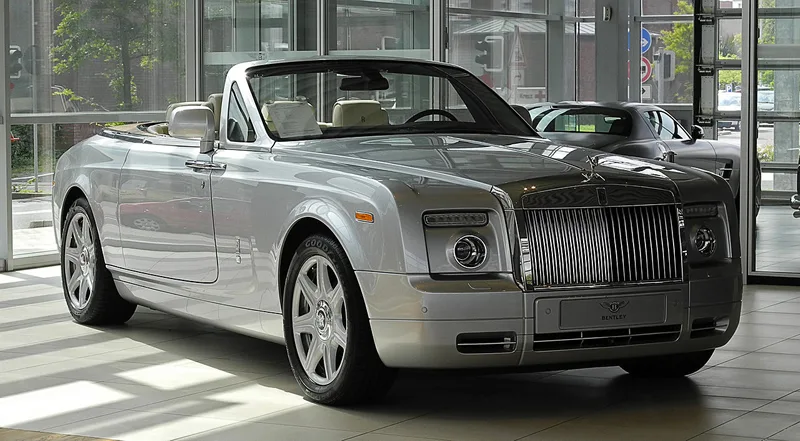
The global automotive sector is witnessing a notable shift in strategy as at least twelve leading car manufacturers reconsider the pace and scale of their transition to electric vehicles (EVs). This reorientation comes amid persistent consumer interest in traditional internal combustion engine (ICE) models and the reduction of government incentives supporting electric transportation in key markets like the United States and Europe.
After several years of aggressive commitments toward electrification, a growing number of automakers are now scaling back their original targets for electric vehicle output. This change highlights the challenges companies face in balancing innovation, regulatory expectations, and consumer preferences. Despite the global push for cleaner mobility, demand for vehicles powered by internal combustion engines remains resilient in many regions, influencing manufacturers’ planning and product portfolios.
Industry insiders note that several factors are driving this shift. Foremost is the sustained consumer appetite for ICE vehicles, which often offer established infrastructure advantages, affordability, and variety. Additionally, recent policy developments in major markets have led to a contraction of financial support programs designed to accelerate EV adoption. Such measures had previously played a critical role in reducing costs and driving consumer interest in electric models.
In both North America and Europe, the scaling back of electric vehicle incentives has introduced new market realities for automakers. Without those subsidies, the total cost of ownership for EVs can be higher than anticipated, making them less attractive to some buyers. This dynamic compels manufacturers to maintain—and in some cases augment—production of combustion engine models to meet ongoing demand and remain competitive.
The recalibration of strategies is also reflective of broader geopolitical and economic conditions. Supply chain constraints, battery material availability, and the evolving regulatory landscape continue to influence how automotive companies plan for the future. While electrification remains a long-term goal for many, the pace at which it is pursued is now more measured and tailored to market conditions.
Automakers are exploring a more diversified approach by integrating hybrid models, improving the efficiency of traditional engines, and investing in emerging technologies. This mixed strategy aims to address consumer needs and regulatory requirements while managing risks associated with rapid industry transformation.
Ultimately, the current industry pivot underscores the complexities of the automotive transition toward electrification. Consumer preferences, policy frameworks, and technological advancements will collectively shape the trajectory of vehicle production in the coming years. Observers anticipate ongoing adjustments as manufacturers adapt to a landscape where electric vehicles coexist with combustion engines rather than fully replace them in the near term.
Over a dozen major automakers reduce electric vehicle production plans as demand for internal combustion engines remains strong and subsidies wane.